
Blog
Why Gilroy's Older Garage Doors Need a Different Kind of Check
Gilroy homes mostly date to 1965-1989, before insulation codes existed, leaving garage doors and openers that were never built to today's energy standards.
What to Check
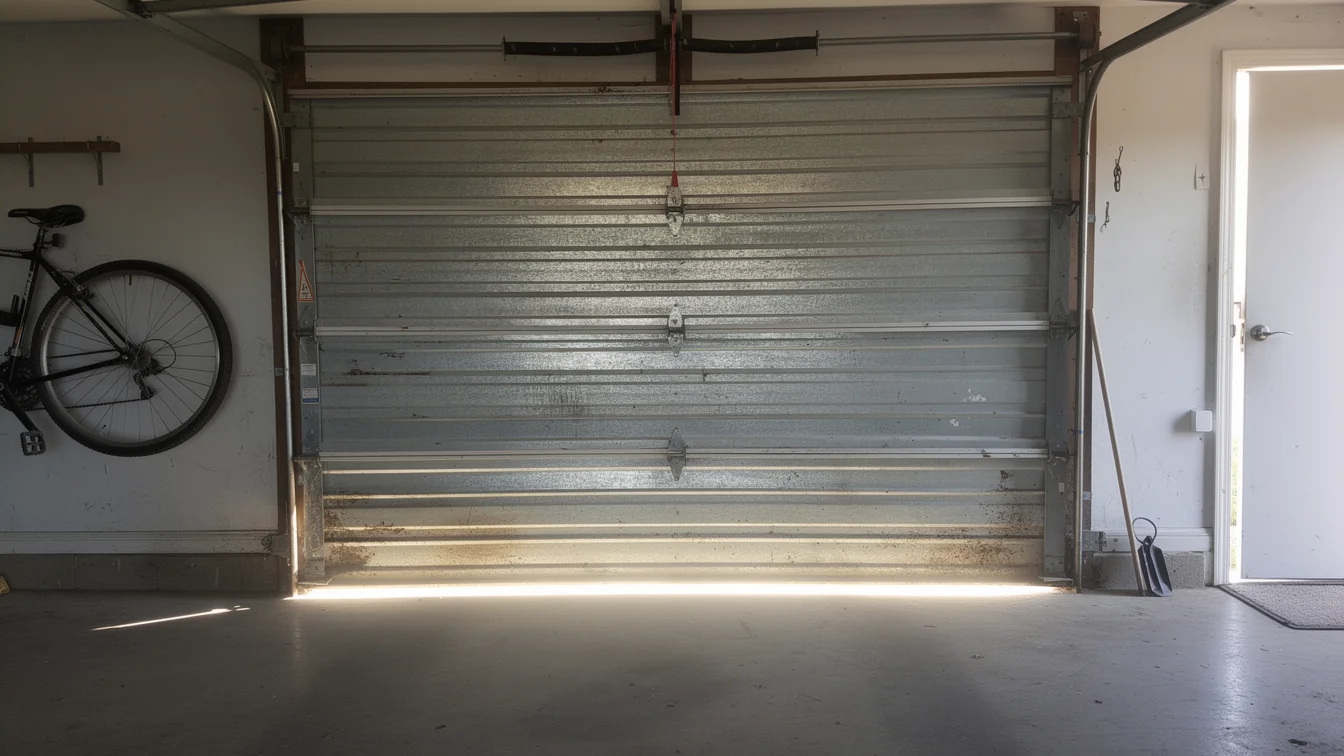
Start with the door itself. Most houses in Gilroy went up between 1965 and 1989, with the median build year around 1976. That means the garage door bolted to the house is probably a single-layer steel or wood panel with no foam core, installed back when nobody wrote insulation into the code. Check the bottom seal first - on a door this old it's usually flat, cracked, or missing outright. Next, look at the torsion spring and the drums it winds onto. Original hardware from that era is sized for the door weight at the time, not for a heavier insulated replacement panel someone may have swapped in later without upgrading the spring. Rollers are the other giveaway: steel rollers from the '70s and '80s are noisy and worn oval instead of round. Run a hand along the track for rust pitting, especially near the bottom where water sits. None of this is exotic work, but on a door this age you're not doing a quick tune-up - you're doing an inspection of parts that have outlived their design life by several decades.
The Situation
The service area runs across 19 named communities, and the housing pattern repeats itself from one to the next: 1960s and '70s construction dominates, with pockets of newer build mixed in but not enough to change the overall age of the stock. San Martin sits five miles out, Interlaken and Aromas both around nine, Corralitos and Amesti in the eleven-mile range - all of it the same generation of tract-built garages with the same generation of hardware. With 54,186 households across the area and 27,109 of them owner-occupied, a large share of the doors in daily use were installed, or at least framed for, before anyone thought about weatherstripping standards. That's not a knock on the houses - they're solid builds - it's just a fact about when they went up and what a garage door looked like at the time. A door that's original to a 1976 house has had five decades of spring cycles, track wear, and opener upgrades bolted onto hardware that was never meant to carry them.
What You Pay
We don't have a posted price list here, and we're not going to make one up. What we can tell you is what drives the cost on a house like the ones common in Gilroy: age of the hardware, not just the door. A spring replacement on an original 1970s torsion setup can take longer than the same job on a newer door, because the drums, bearing plates, and sometimes the header bracket are sized or mounted differently than what's sold today. Parts for a door that old aren't always on the truck - sometimes we're ordering a bracket or a specific spring size rather than grabbing it off the shelf. At a median household income of $131,233 for the area, a fair number of owners decide it's not worth chasing parts for a forty-year-old panel and go straight to replacement instead of a third repair. That's a judgment call, not a rule, and it depends on what's actually wrong with your door.
How Local Conditions Play In
The climate here sits in a mild band with occasional freeze risk, which is easier on garage door hardware than a true freeze-thaw climate, but it's not nothing. On an original door with no weatherstripping left, a cold night still finds its way into the garage, and on a house built before insulation rules existed, that cold has nowhere to stop - there's no foam core in the panel to slow it down. The bigger issue isn't the cold itself, it's what decades of temperature swings do to steel track and spring tension on hardware that's never been replaced. Springs lose a little tension every year regardless of weather, but on a door this old, cumulative age plus the occasional freeze night is enough to push a marginal spring into failure. None of this is dramatic weather damage - Gilroy isn't dealing with ice dams or hail - it's just the slow wear of fifty-year-old parts doing a job in conditions they were never specifically engineered for in the first place.
Questions
Common questions
Is my garage door original to my house if it was built in the 1970s?
Possibly. A lot of houses in this area are original to their construction era, meaning the door and opener could genuinely be close to 50 years old. The giveaway is usually the panel style - flat steel with no foam backing, no seal groove, and a spring system sized for a lighter door than what's sold today.
Why does my spring keep breaking on an older door?
Torsion springs are rated for a specific number of cycles, and on a door installed in the 1970s or '80s, that number has usually been exceeded. Add any swap to a heavier panel over the years without a corresponding spring upgrade, and you get repeat failures instead of one clean break.
Do I need to insulate my garage door given how old my house is?
It depends on what you use the garage for. Houses here were built before insulation codes required it, so an uninsulated original door isn't a code violation - it's just colder in winter and warmer in summer than an insulated replacement would be.
Recommendation
You Might Also Like
More garage door guides for Gilroy homeowners.
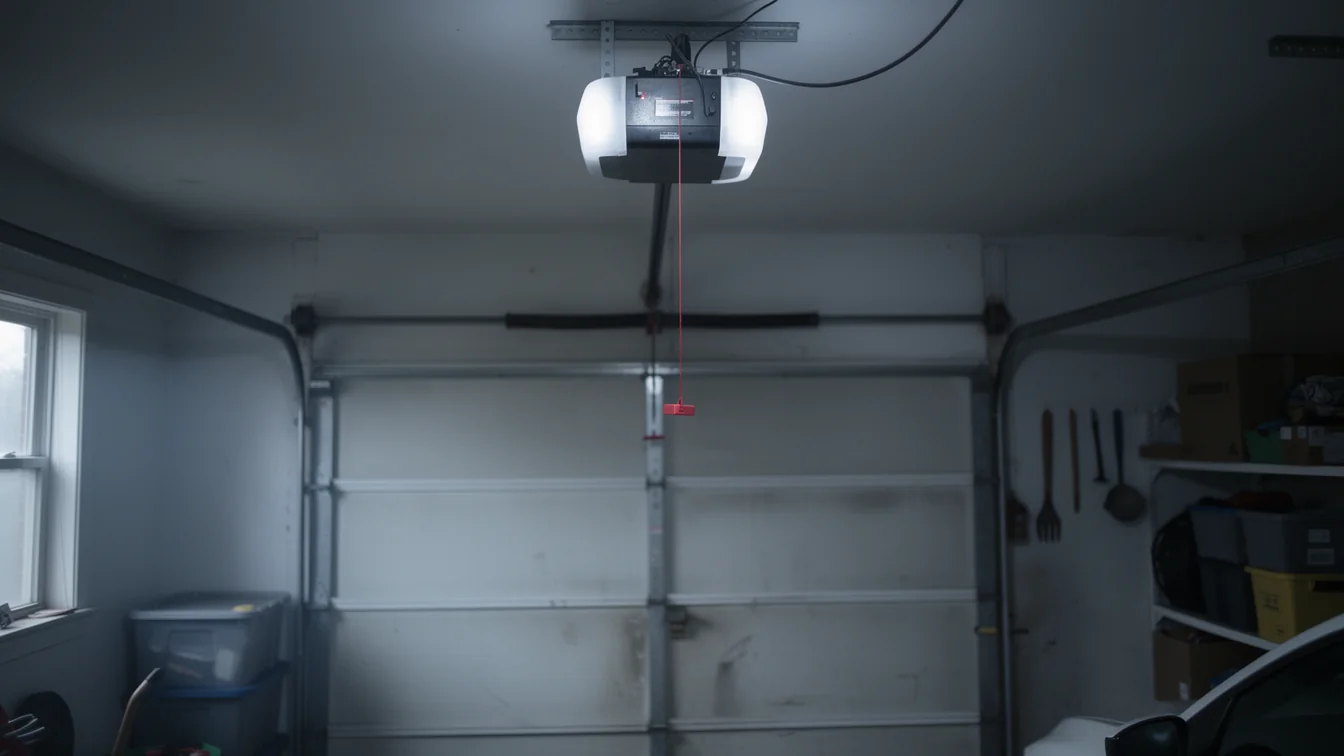
What Gilroy Homeowners Should Know About Openers and Power Cuts
Gilroy homes built mostly between 1965 and 1989 often run older garage door openers.
Read guide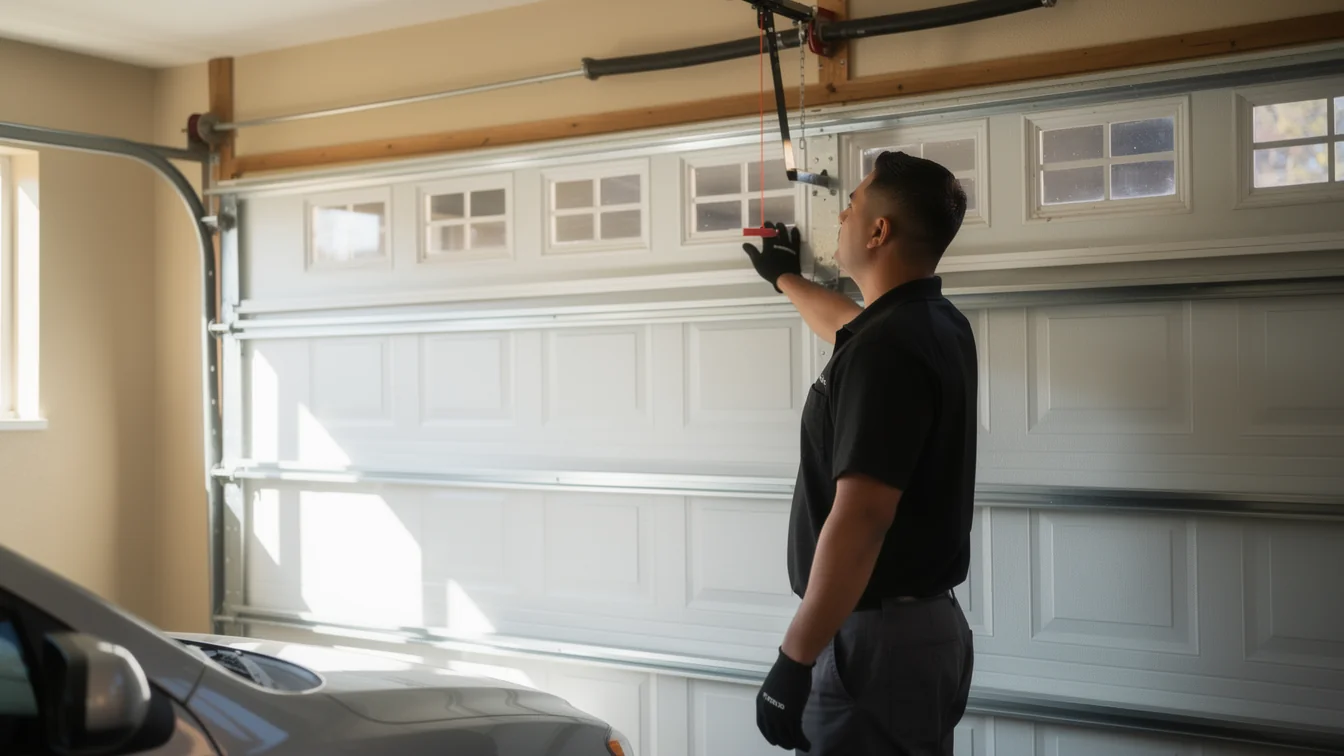
What That Noise Really Means on a Gilroy Garage Door
Gilroy homes built mostly 1965-1989 have specific door and spring wear patterns.
Read guide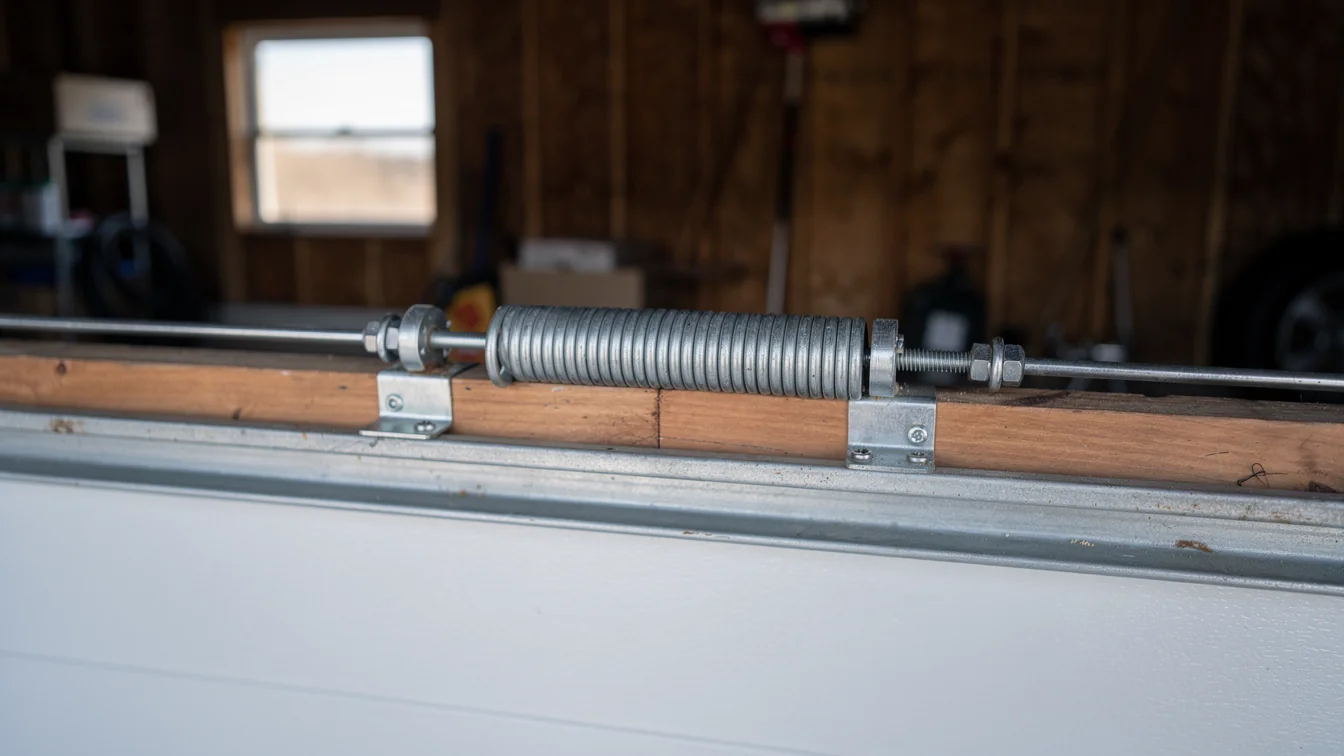
When a Spring Goes in Cold Weather
Why torsion springs on Gilroy's older garage doors crack on cold mornings, what to check first, and what actually drives the cost of the fix.
Read guideReady when you are
Need a garage door sorted in Gilroy?
Gilroy Garage Door Pros repairs and installs garage doors, springs and openers in Gilroy, CA and the surrounding area.