Blog
What a Gilroy Service Call Actually Covers
What actually happens on a Gilroy garage door service call, from spring and track checks to the mild-climate issues common in this 1965-1989 housing stock.
What to Check
When we pull up to a house in Gilroy, we're not guessing what's wrong before we open the panel on the opener or pull the release cord. Most of the homes in this service area went up between 1965 and 1989, with the median build year sitting around 1976. That means the door, track, and opener hardware we find is usually one of two generations: original steel sectional doors on extension springs from the 70s build wave, or a replacement system installed sometime in the 90s or 2000s when the first set wore out.
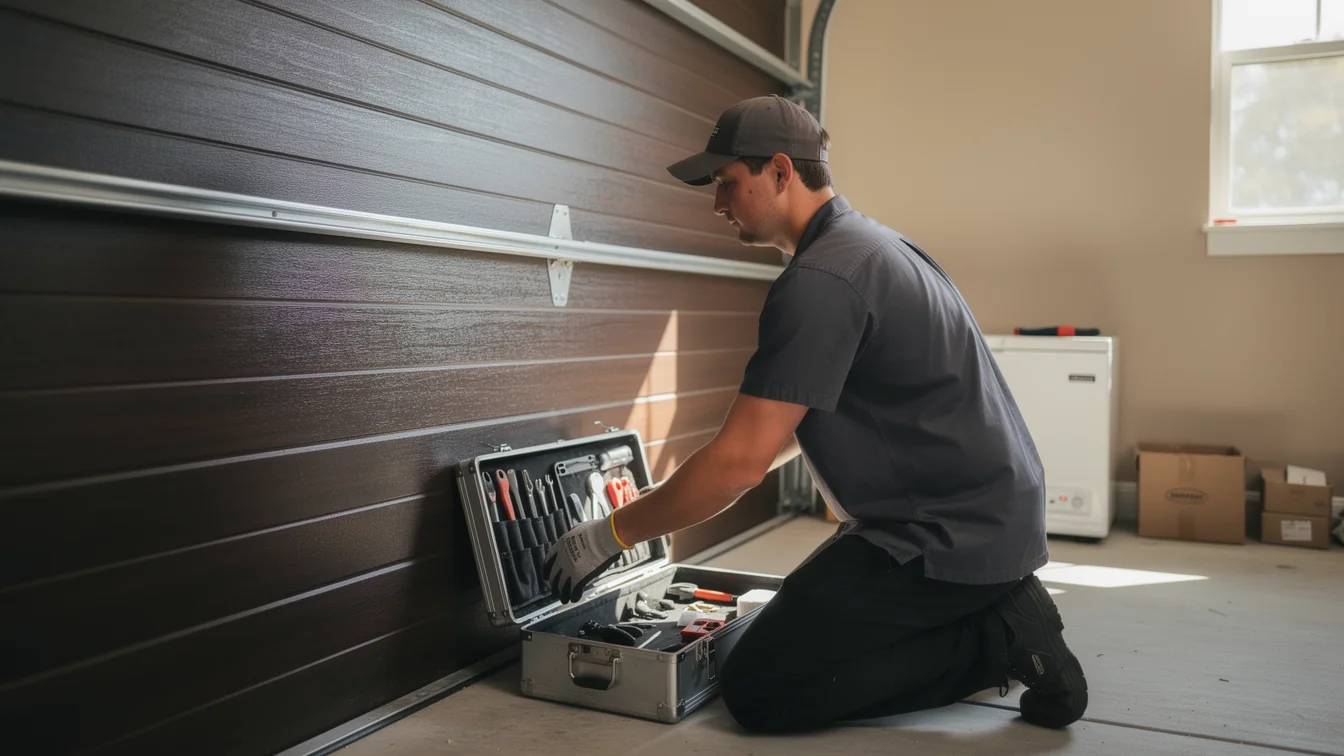
A proper check starts with the springs - are they original extension springs on a horizontal track, or has someone already converted to torsion? Then the track alignment, since 45+ year old jambs settle and shift the vertical track off plumb. We check the rollers for the dry, cracked nylon that's typical on a door that's never been serviced, and we check the opener's force settings, because a lot of these older openers were set once and never touched again.
We also look at the bottom panel and weatherstrip, since that's the part most exposed to whatever the driveway slope and drainage are doing to it. None of this is exotic. It's just matching the check to the era of the house in front of us, not running a generic 12-point list that assumes a 2015 build.
The Situation
Across the areas we work - this part of the county runs through roughly 19 named communities including San Martin, Hollister, Watsonville, and Prunedale - the housing stock across those towns skews heavily to 1960s and 70s construction. That consistency actually makes diagnosis faster for us: we're not relearning a different hardware generation on every call.
With 27,109 owner-occupied houses out of 54,186 households in the service area, a good share of the doors we see are still running original or first-replacement hardware. The median household income here is $131,233, which tends to mean homeowners replace rather than patch once a door starts costing more in parts than it's worth - but that's a call we make on the driveway, not before we've seen the door.
The honest limitation: if a part is obsolete - some of the original extension-spring hardware from the 70s just isn't made anymore - we'll tell you that on the spot instead of promising a fix we can't deliver, and we'll talk replacement options instead.
What You Pay
We don't post a flat price here because what a call actually costs depends on what's wrong - a roller adjustment and a broken spring on a double door are not the same job, and we're not going to pretend otherwise. What we can tell you is what goes into the number: the diagnostic time to find the actual fault (not just the symptom), the parts required, and whether the fix is a repair or whether the door's age makes replacement the better math.
Given how much of the local stock dates to the 1965-1989 window, a fair number of calls end up being about matching parts to hardware that predates the current torsion-spring standard most big-box doors ship with now. That search time is part of the job, not an add-on.
We quote after we've looked at the door, not before, because a phone estimate on a 45-year-old door is just a guess dressed up as a number.
How Local Conditions Play In
Gilroy sits in a mild climate band with occasional freeze risk - not the extreme heat or hard freeze cycles that chew through weatherstrip and metal fatigue the way they do elsewhere. That's good news for the door itself: panels and tracks here age slower than in harsher climates.
What the mild-with-occasional-freeze pattern does affect is lubrication and seal behavior. A door that sits fine for months can bind up on the one or two mornings a year it actually drops near freezing, especially if the rollers were never serviced. We see this mostly on original hardware from the 1965-1989 build era that's never had a spring or track adjustment since installation.
It's a smaller factor than in places with real winters, but it's still the reason a yearly lubrication check matters more here than a full seal replacement would.
Questions
Common questions
Do you give a price over the phone?
Not a firm one. Costs depend on what's actually wrong, and on a door built in the 1965-1989 window that's often original hardware we haven't seen yet. We quote after a look at the door, not before.
Is my door's hardware still available?
Sometimes not. A lot of the original extension-spring hardware from the local 1960s-70s building wave is no longer made. If that's the case, we'll say so on the spot and talk through replacement instead of forcing a repair.
Does the mild climate here really affect the door?
Less than in places with hard winters, but yes. The occasional freeze morning can bind a door that's never had its rollers or track serviced, even though Gilroy doesn't see the extreme cycles that wear doors out fast elsewhere.
Recommendation
You Might Also Like
More garage door guides for Gilroy homeowners.
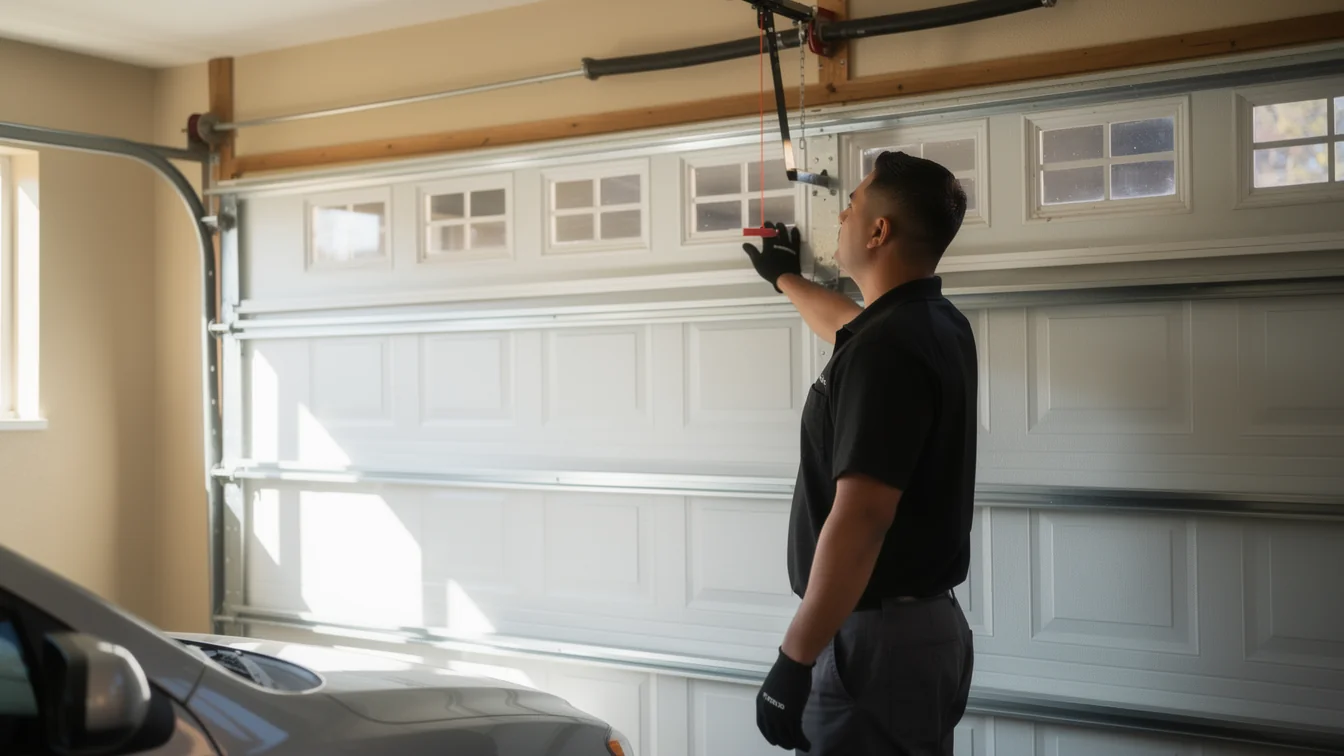
What That Noise Really Means on a Gilroy Garage Door
Gilroy homes built mostly 1965-1989 have specific door and spring wear patterns.
Read guide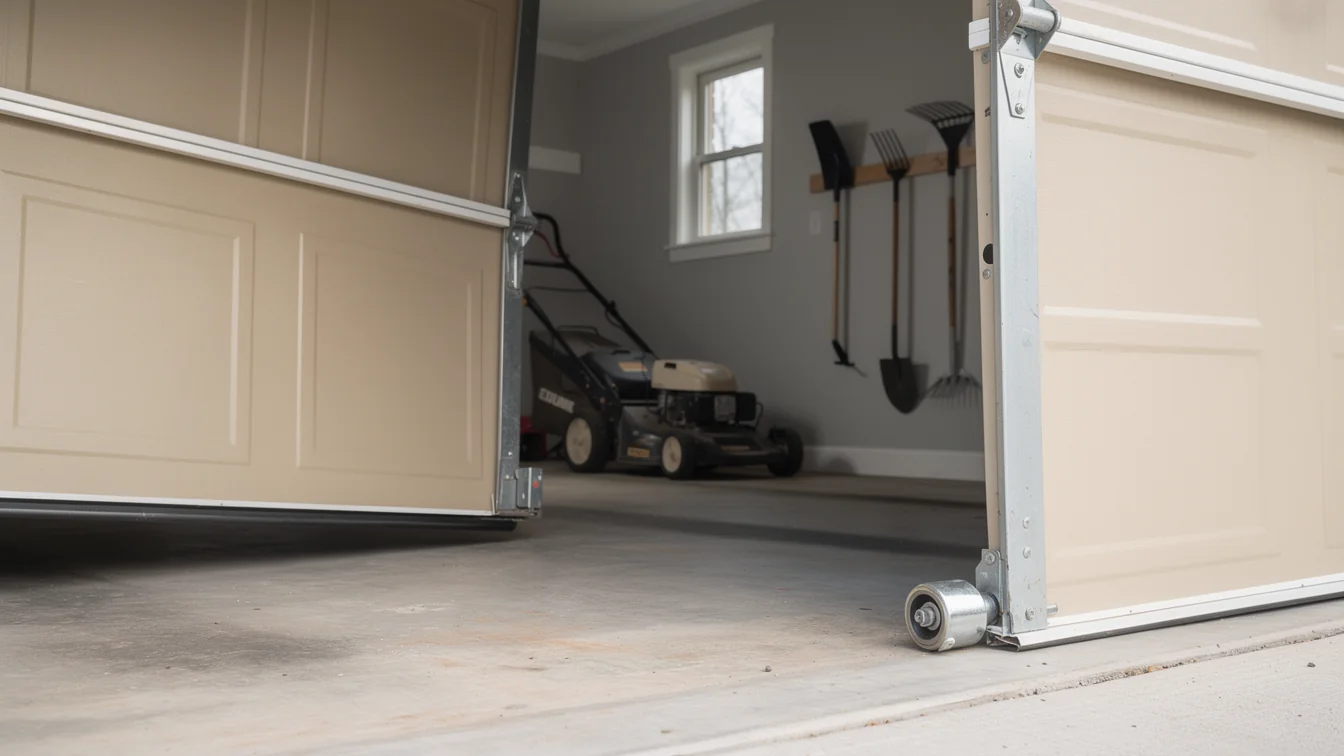
Why Garage Doors Go Off Track in Gilroy Homes
Gilroy homes built 1965-1989 often run original track hardware.
Read guide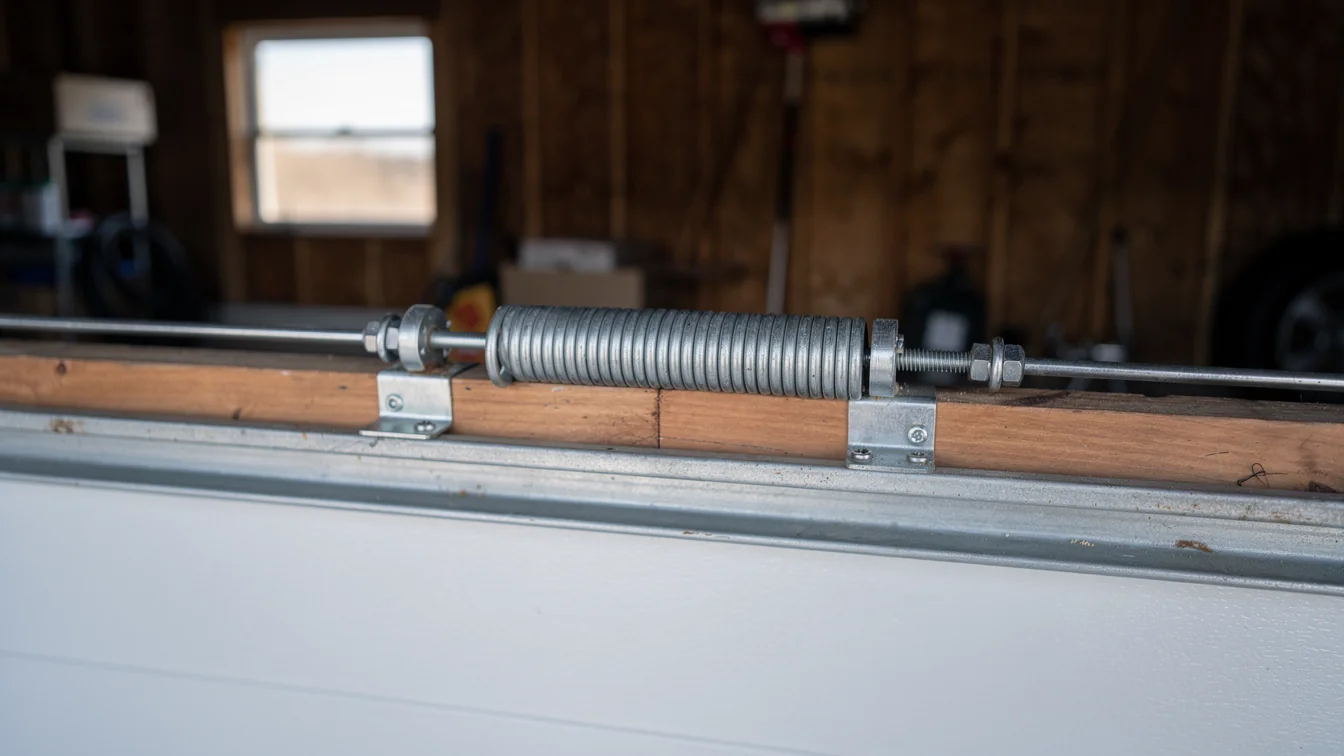
When a Spring Goes in Cold Weather
Why torsion springs on Gilroy's older garage doors crack on cold mornings, what to check first, and what actually drives the cost of the fix.
Read guideReady when you are
Need a garage door sorted in Gilroy?
Gilroy Garage Door Pros repairs and installs garage doors, springs and openers in Gilroy, CA and the surrounding area.