
Blog
Is Your Old Gilroy Garage Door Worth Fixing?
Gilroy's housing mostly dates to the 1960s-80s. Here's how to tell if your original door and opener are worth repairing or due for replacement.
What to Check
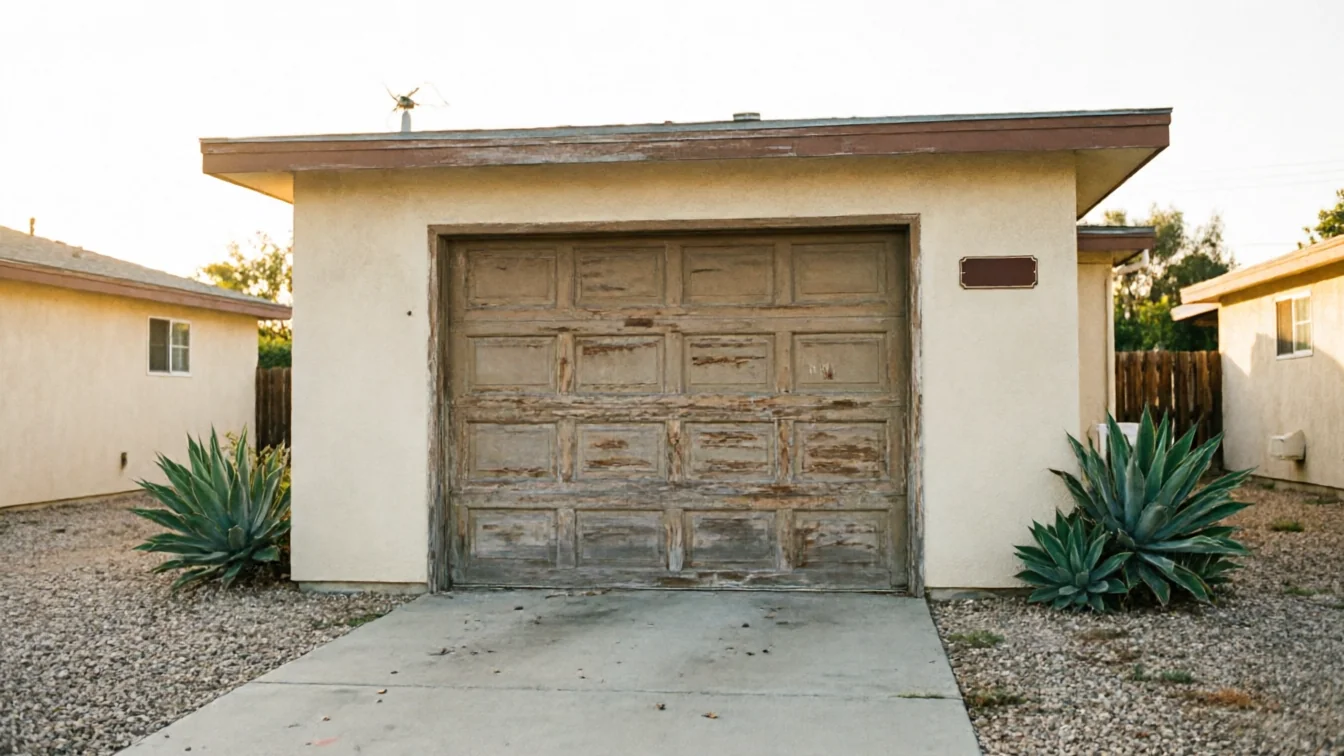
Start with the spring, not the opener. If the door is heavy to lift by hand with the opener disconnected, the torsion spring is tired or broken, and that's a straightforward fix on almost any door built before 1990. Check the track next - bent track from a car bump or a slipped roller is usually a repair, not a replacement reason. Look at the panels themselves. Steel panels from the 1960s and 70s rust from the bottom up where moisture sits against the floor; a little surface rust is cosmetic, but panels that flex or crumble at the seam are done. Check the opener's logic board and the photo-eye sensors near the floor - these fail more than the motor itself does. Last thing: pull the release handle and move the door by hand through its whole swing. If it binds, sticks, or drags anywhere, something downstream of the spring - hinges, rollers, the track alignment - needs attention before you touch the opener at all. None of this needs special tools, just ten minutes and the lights on.
The Situation
Most houses in this service area were built between 1965 and 1989, with the median landing around 1976. That puts a lot of original garage doors - steel sectional, single torsion spring, chain-drive openers bolted into a ceiling joist that was never meant for anything heavier - right at the edge of their working life. These doors were built solid for the era, and a lot of them are still running fine on original hardware, which is actually the problem: springs don't announce they're about to go. They just snap, usually on a cold morning or after a long stretch of disuse. Nineteen named communities across this stretch share that same 1960s-70s housing stock, which means the failure pattern repeats house to house - same spring size, same bracket style, same opener models showing up decade after decade. If your house falls in that build window, the door in front of you was probably installed once, maybe touched twice, and is overdue for an honest look rather than a guess.
What You Pay
We can't quote a number here without seeing the door - spring size, panel material, and opener age all move the price, and nothing in what we've published should be read as a fixed rate. What we can tell you is how the decision usually breaks: a spring replacement or track repair on a door from the 1965-1989 window is almost always worth doing, because the frame and panel underneath are still sound steel. Where it tips toward replacement is when the panels themselves are rusted through at the bottom seam, or the opener is original and the logic board is failing along with the mechanical parts - fixing one piece at a time on a door that old starts costing more than starting fresh. Median household income across this area runs around $131,233, and with roughly 27,109 owner-occupied houses out of 54,186 households total, a lot of owners here are weighing a repair bill against a full swap on a door that's done its job for forty-plus years. That's a real conversation, not a form quote.
How Local Conditions Play In
This area sits in a mild climate band with occasional freeze risk - not the kind of cold that cracks concrete or warps steel, but enough that grease in an old opener chain stiffens up on the coldest mornings and springs that are already fatigued tend to pick that moment to go. It's not dramatic weather damage; it's just one more small stress on hardware that's already thirty or forty years old. If you're further out - San Martin at five miles, Aromas or Interlaken around nine, out past Corralitos or Amesti toward eleven - you're looking at the same housing era and the same mild-with-freeze pattern, so the same original doors are aging the same way. The honest limitation: we can't tell you a door's exact remaining life over the phone. Rust hidden behind a bottom panel or a spring that's been recoiled slightly off-count only shows up in person. If your door was installed anywhere near that 1976 median build year and hasn't been serviced since, that's the one thing worth getting looked at before it fails on its own schedule instead of yours.
Questions
Common questions
My garage door is original to a house built in the 1970s. Is it too old to repair?
Not necessarily. A lot of houses in this area were built between 1965 and 1989, and steel doors from that window are often still structurally sound - the spring, rollers, and opener wear out long before the panels do. Rust through the bottom seam or a cracked panel is a different story and usually means replacement makes more sense.
Why did my spring break on a cold morning with no warning?
Torsion springs fatigue with every cycle, and they don't give much warning before they let go. This area's climate runs mild with occasional freezes, and that cold snap is often just the final stress on a spring that was already near the end of its count, not the actual cause of the failure.
Should I replace the opener or just the door?
It depends on what's actually failing. If the motor runs fine but the logic board or sensors are glitching, that's often a standalone fix. If the opener is original to a 1970s-era house and showing multiple issues at once, replacing it alongside the door usually costs less than fixing each part separately over a year.
Recommendation
You Might Also Like
More garage door guides for Gilroy homeowners.
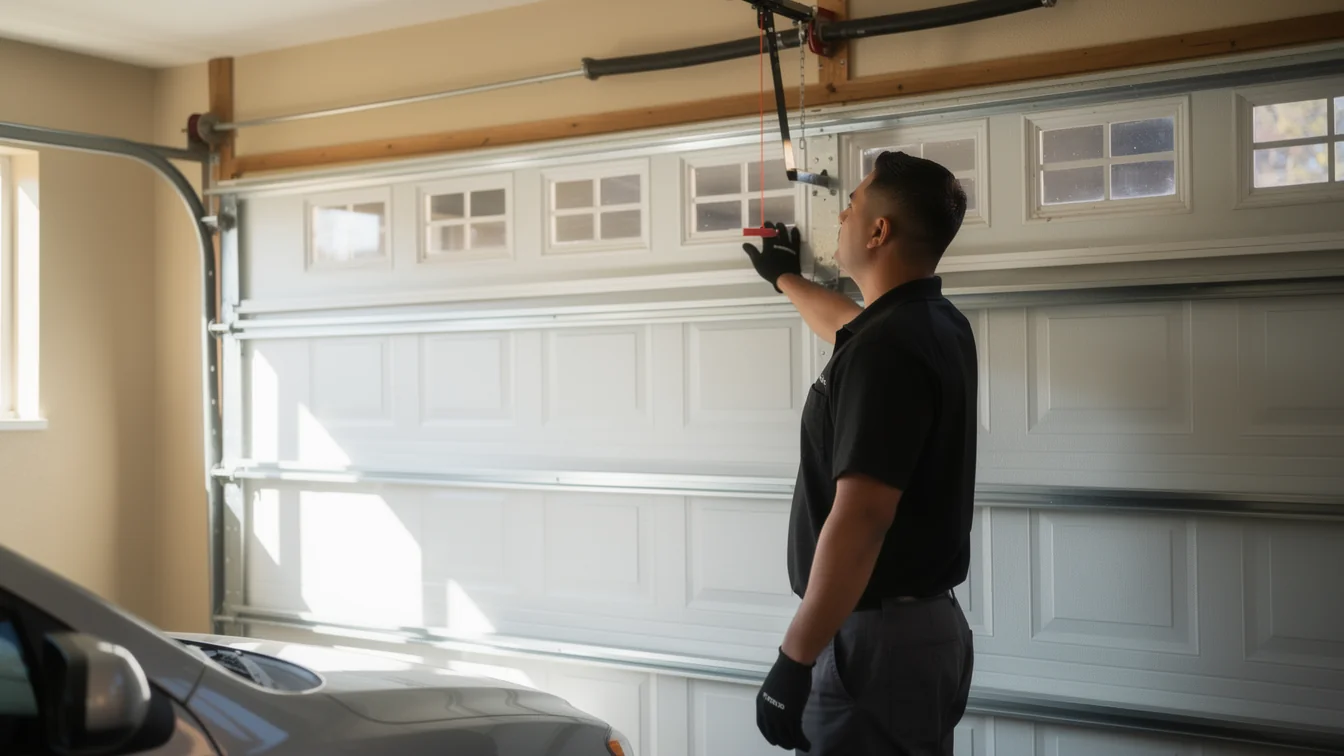
What That Noise Really Means on a Gilroy Garage Door
Gilroy homes built mostly 1965-1989 have specific door and spring wear patterns.
Read guide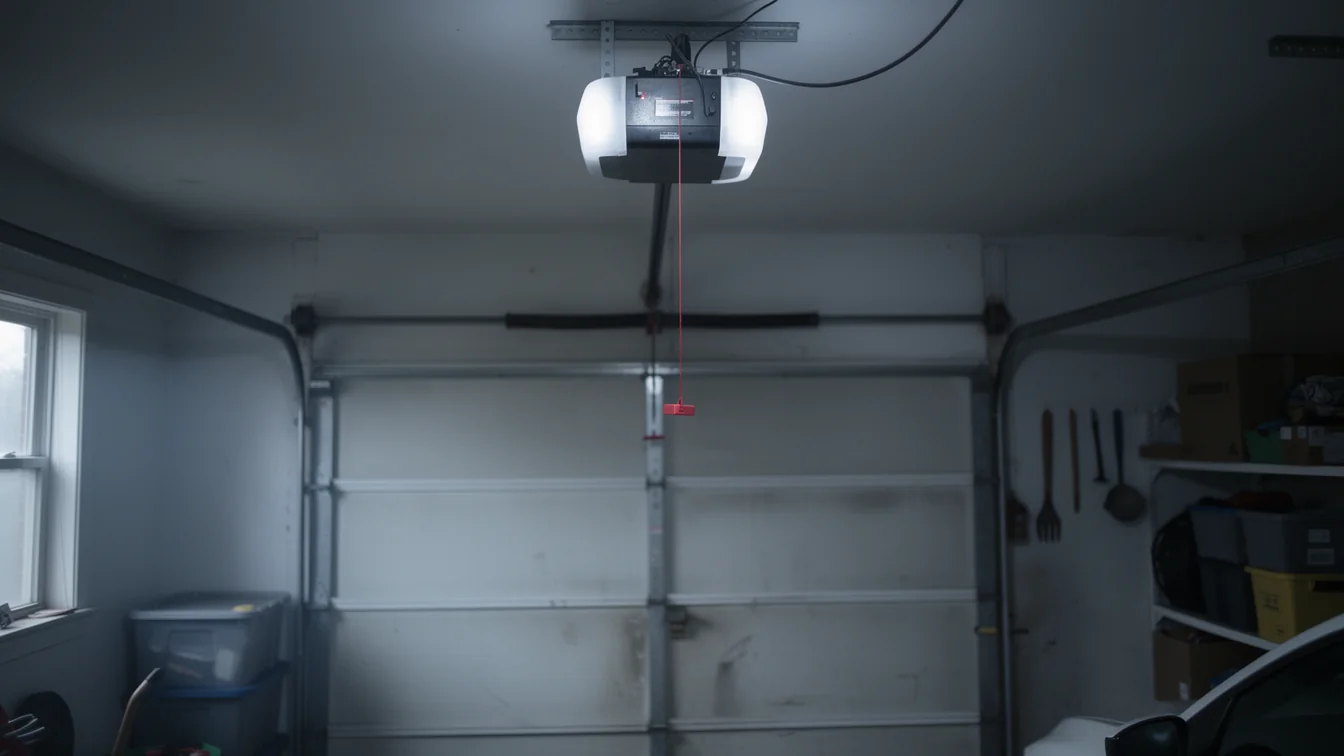
What Gilroy Homeowners Should Know About Openers and Power Cuts
Gilroy homes built mostly between 1965 and 1989 often run older garage door openers.
Read guide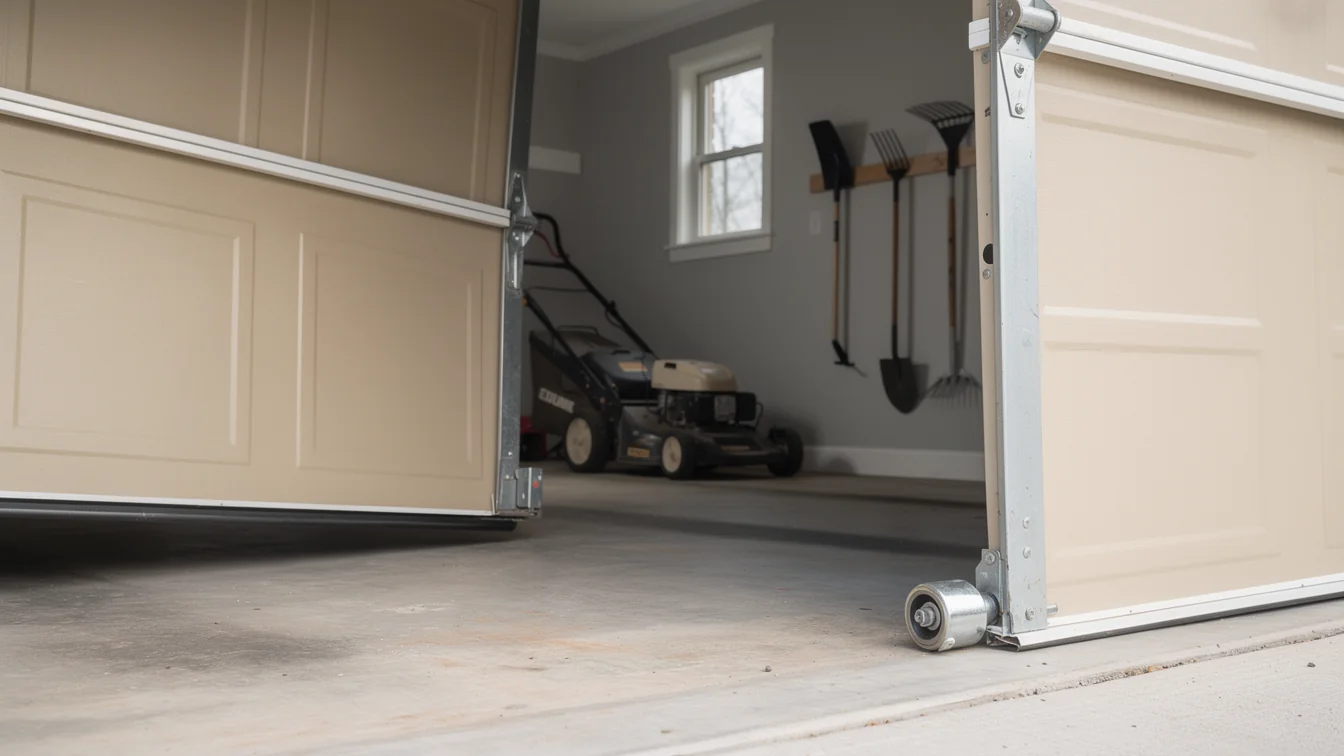
Why Garage Doors Go Off Track in Gilroy Homes
Gilroy homes built 1965-1989 often run original track hardware.
Read guideReady when you are
Need a garage door sorted in Gilroy?
Gilroy Garage Door Pros repairs and installs garage doors, springs and openers in Gilroy, CA and the surrounding area.