Gilroy, CA
Garage Door Cable Repair for Gilroy Homes
Frayed or snapped cables on Gilroy's 1965-1989 housing stock are common past the 30-year mark. We explain what's failing, why it happens here, and when to call us.
Getting It Booked In
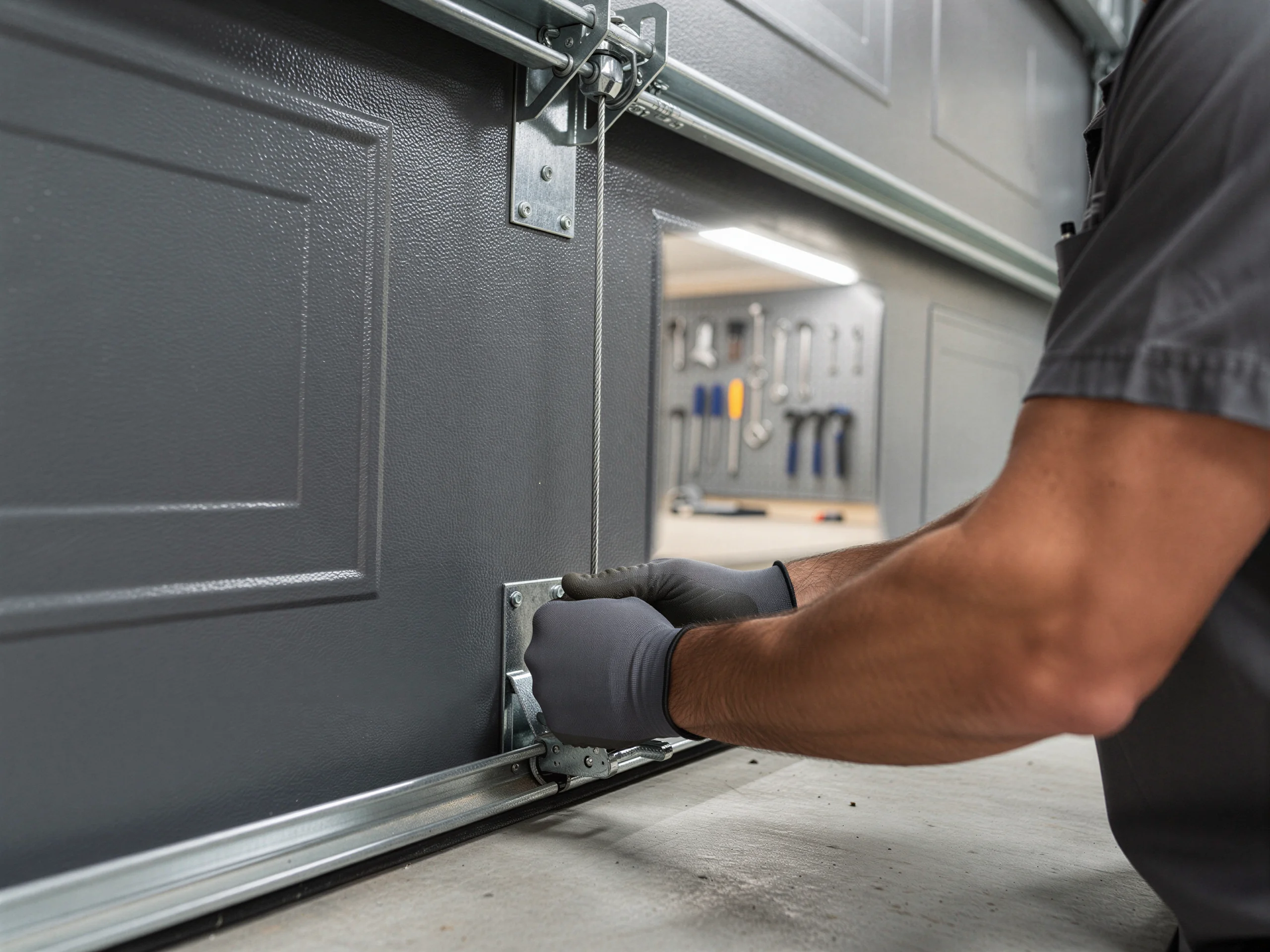
Most of the houses we get called to in this area went up between 1965 and 1989, and a cable job on a door that old usually means we're also checking the drums, the rollers, and the spring while we're in there, because one worn part on a house this age tends to travel with two or three more.
Describe the symptom
Tell us on the phone whether the door is stuck shut, hanging crooked on one side, or made a bang and dropped - that changes what's in the truck when we show up.
Same-day slots not promised
We book same-area jobs close together, which is part of why we can usually get to a cable call without a long wait, but we won't promise a same-day slot here because that depends on what's already on the schedule that day.
Leave cockeyed doors alone
If a cable has come fully off the drum and the door is sitting cockeyed, don't try to wrestle it level yourself - leave it where it stopped and call. One honest limit: if the drums or the track are rusted and warped from age, not just the cable, a cable swap alone won't fix the door, and we'll tell you that before we start rather than after.
What You Are Seeing
A failing cable usually shows up one of three ways. The door looks fine until it's halfway up or down, then one side dips lower than the other because a cable has slipped off its drum.
Fraying strands near bracket
Or you see the cable itself - thin steel strands fraying like a frayed shoelace near the bottom bracket, usually on the side that takes more load. Or the door simply won't move at all, because the opener senses slack in the cable and the safety system stops it rather than letting the door fall.
Drum and torsion shaft
On older sectional doors, common on houses built in the 1960s and 70s across this area, the cable runs off a drum at the end of the torsion shaft, and that whole assembly wears as a set.
Causes behind snapped cables
A cable rarely snaps on its own with no warning - there's usually a bent bottom bracket, a corroded drum edge, or a spring that's lost tension and is making the cable do work it wasn't sized for. If your door drops hard and fast rather than drifting down, that's a cable or spring failure, and the door is not safe to operate until it's looked at.
Why This Fails Locally
Housing stock across this part of the service area dates mostly to 1965-1989, with a lot of it clustered in the 1960s and 70s build era. That matters for cables specifically: galvanized aircraft cable on a door that age has usually had one replacement cycle already, maybe two, and the drums and bottom brackets it runs over have the matching wear. A 50-plus year old drum edge develops a groove or a burr that saws at a new cable faster than a smooth one would.
Climate here runs mild with occasional freeze, not the deep freeze-thaw cycling that cracks concrete and seizes hardware elsewhere, but even mild temperature swings over five decades dry out the factory lubricant on older cable and let surface rust start at the strand level, which you can't always see until a few strands have already gone. Combine that with original torsion hardware that a lot of these houses still carry - side-mounted, single-spring setups that weren't built with today's heavier insulated doors in mind - and a cable carrying more load than it was speced for wears out quietly until it doesn't.
Doing It Yourself
We'll say this straight: don't replace a garage door cable yourself. The cable is only under tension because of the spring, and the spring on most of these doors - especially the older torsion setups common on 1960s and 70s houses - stores enough force to break fingers or worse if it lets go while you're working near it. This isn't like swapping a washer on a faucet.
What you can safely do is diagnose. Pull the emergency release, see if the door moves evenly by hand, and look at the cable near the bottom bracket for fraying without touching the drum or the spring. If the door is stuck in the up position with slack cable, prop it or leave it and call rather than pulling it down. And if you're shopping parts yourself, know that cable sized wrong for your drum diameter or your door weight will fail again fast - matching it correctly is most of the job, not the easy part.
Questions
Common questions
Why did my garage door cable snap with no warning?
It rarely happens with truly no warning - a frayed strand or a worn drum edge is usually already there, just not visible until you look closely. On houses from the 1960s-80s era common in this area, the cable and drum wear together, so by the time it snaps the drum often needs attention too.
Can I replace just the cable, or does the spring need replacing too?
Depends on what's worn. If the spring still has good tension and the drums aren't grooved, a cable-only replacement can be enough. But on older torsion setups it's common to find the spring near the end of its life at the same time, and we'll tell you honestly if that's what we're seeing.
How long does a cable repair take?
We don't quote a fixed time without seeing the door, since a clean cable swap and a job that also needs drum or bracket work aren't the same visit. We'll give you a real estimate once we've looked at the hardware in person.
Explore more
Explore More Services In Gilroy, CA
Keeping an Older Gilroy-Area Garage Door Running Right
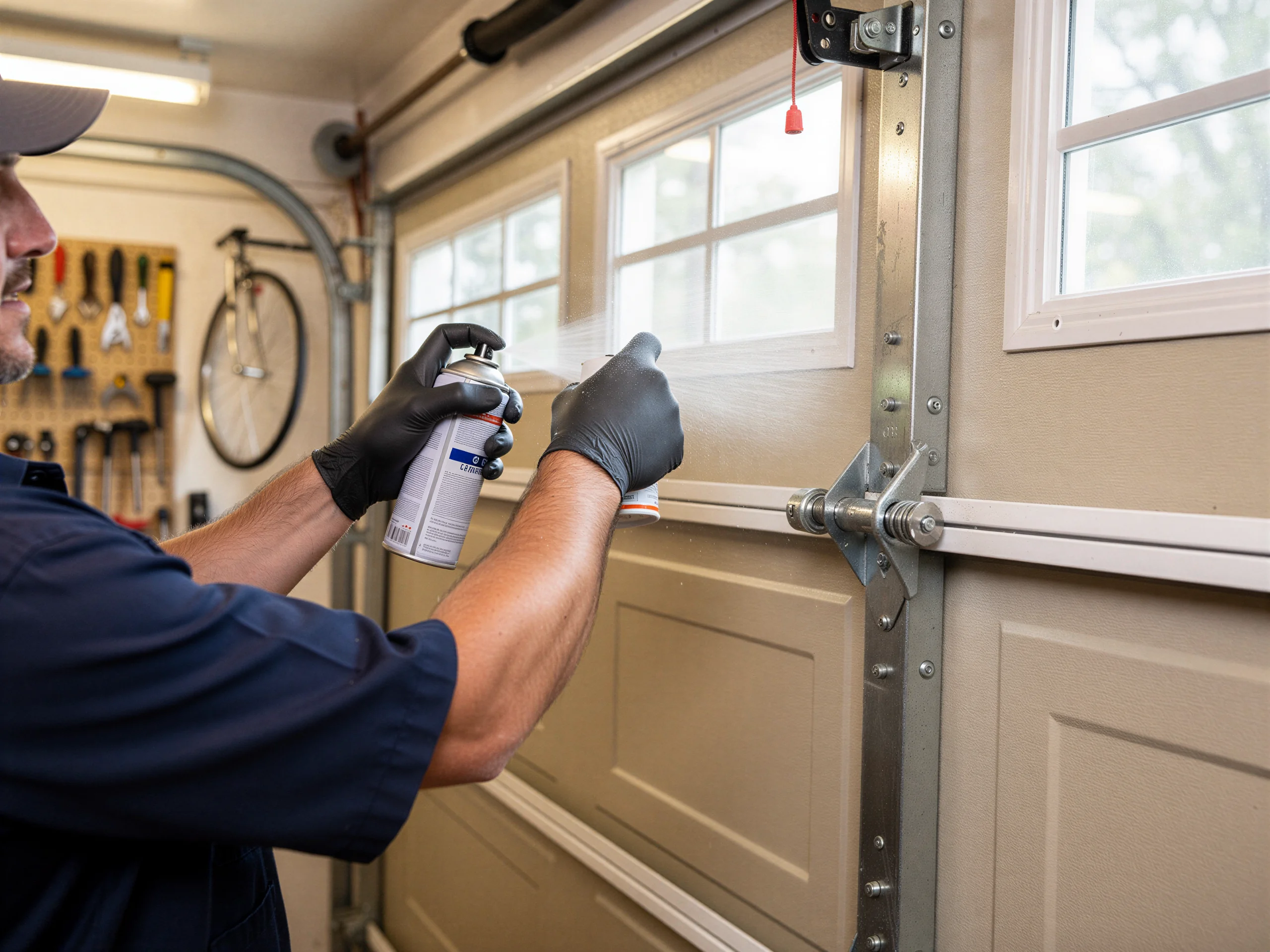
Garage door maintenance for Gilroy and the surrounding valley, built for 1960s-70s housing stock and mild winters with occasional freeze nights. Learn more →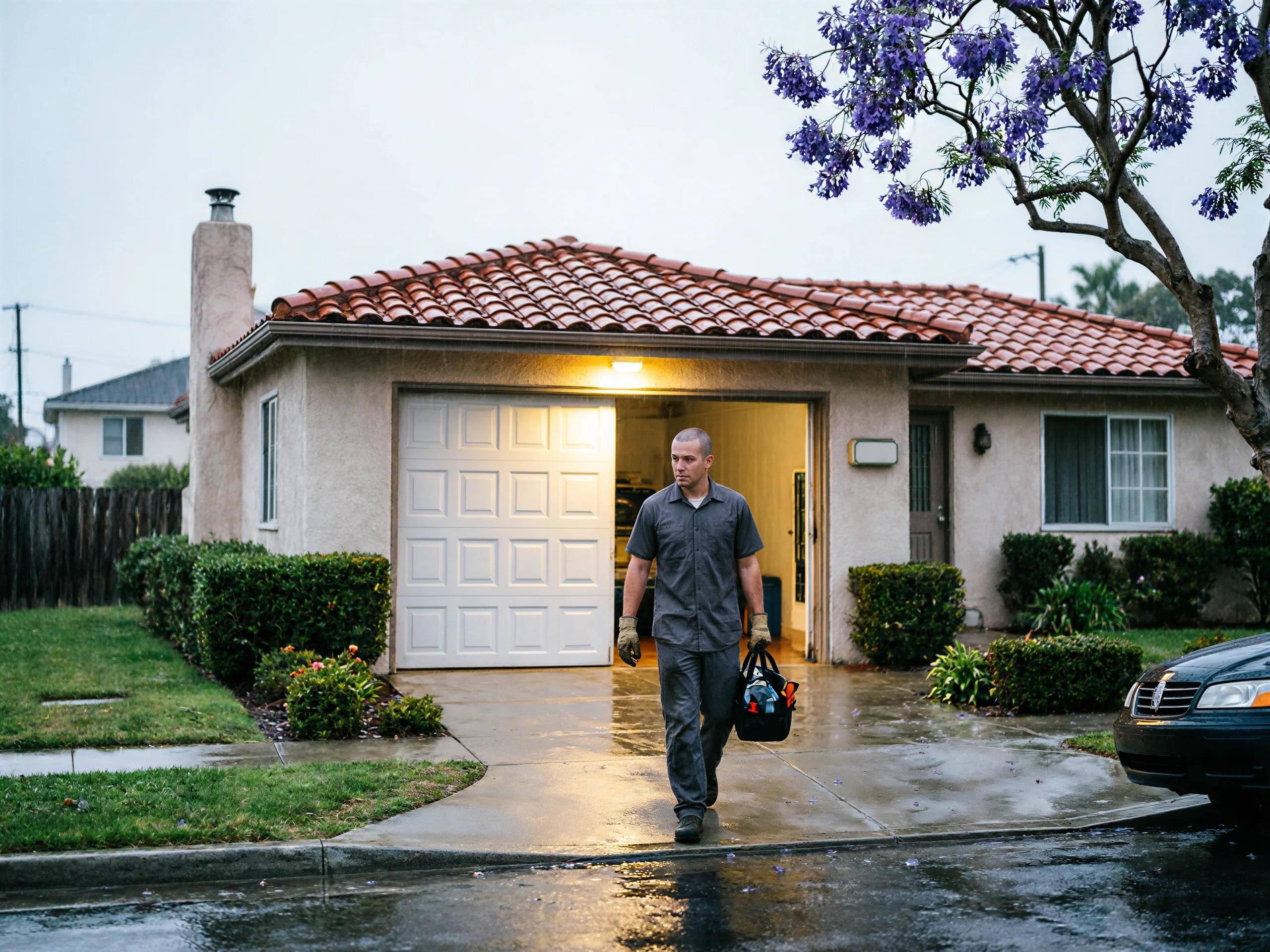
Emergency Garage Door Repair, Gilroy and the Surrounding Service Area
Broken spring or dead opener at 10pm? Learn more →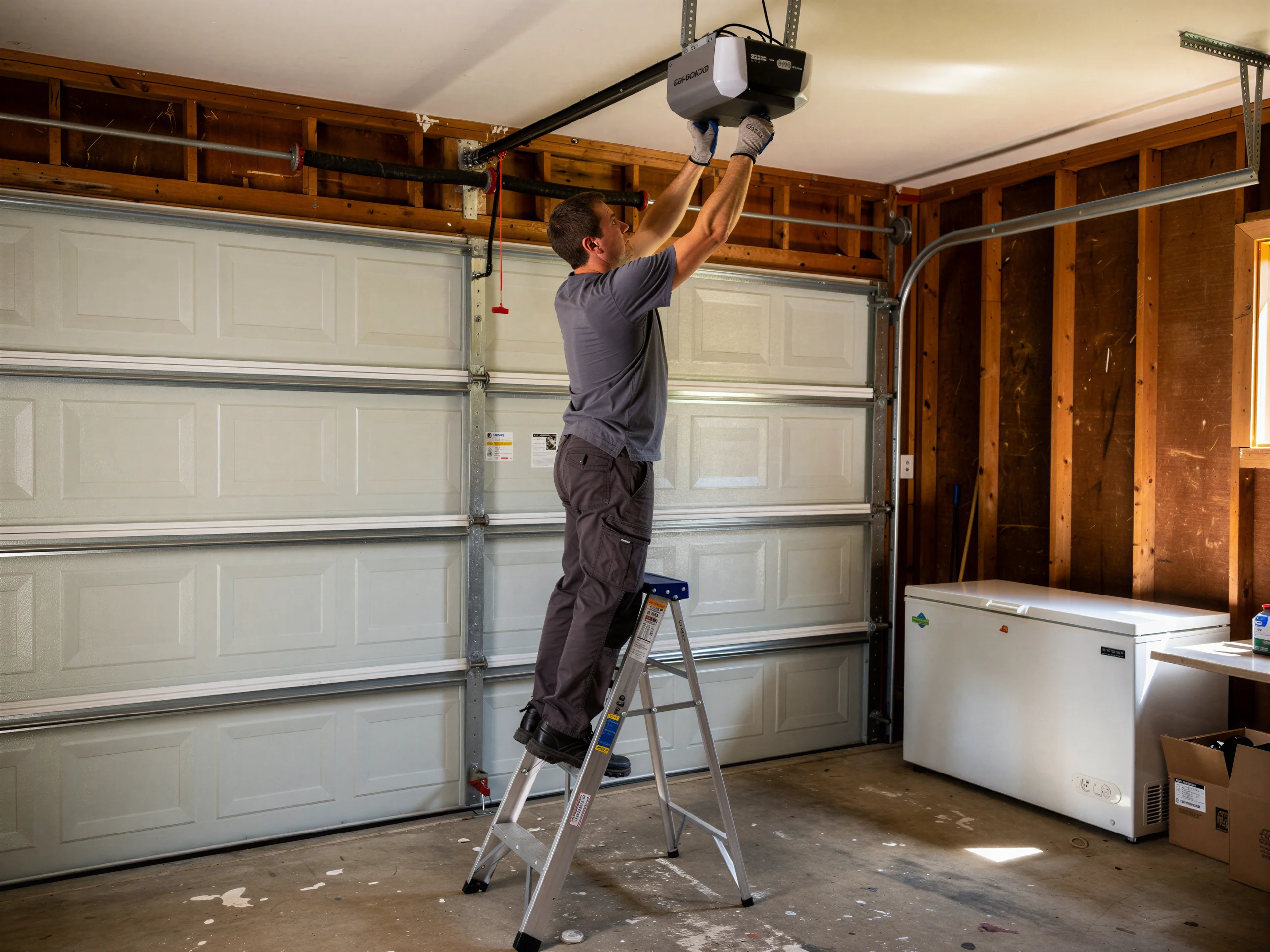
Garage Door Opener Installation Across Gilroy and Nearby Areas
Opener installation for Gilroy's 1960s-80s housing stock, where original chain-drive units and aging wall switches are common across the service area. Learn more →
Garage Door Service for Gilroy's 1960s-80s Housing Stock
Gilroy homes built mostly 1965-1989 carry original torsion hardware and openers. Learn more →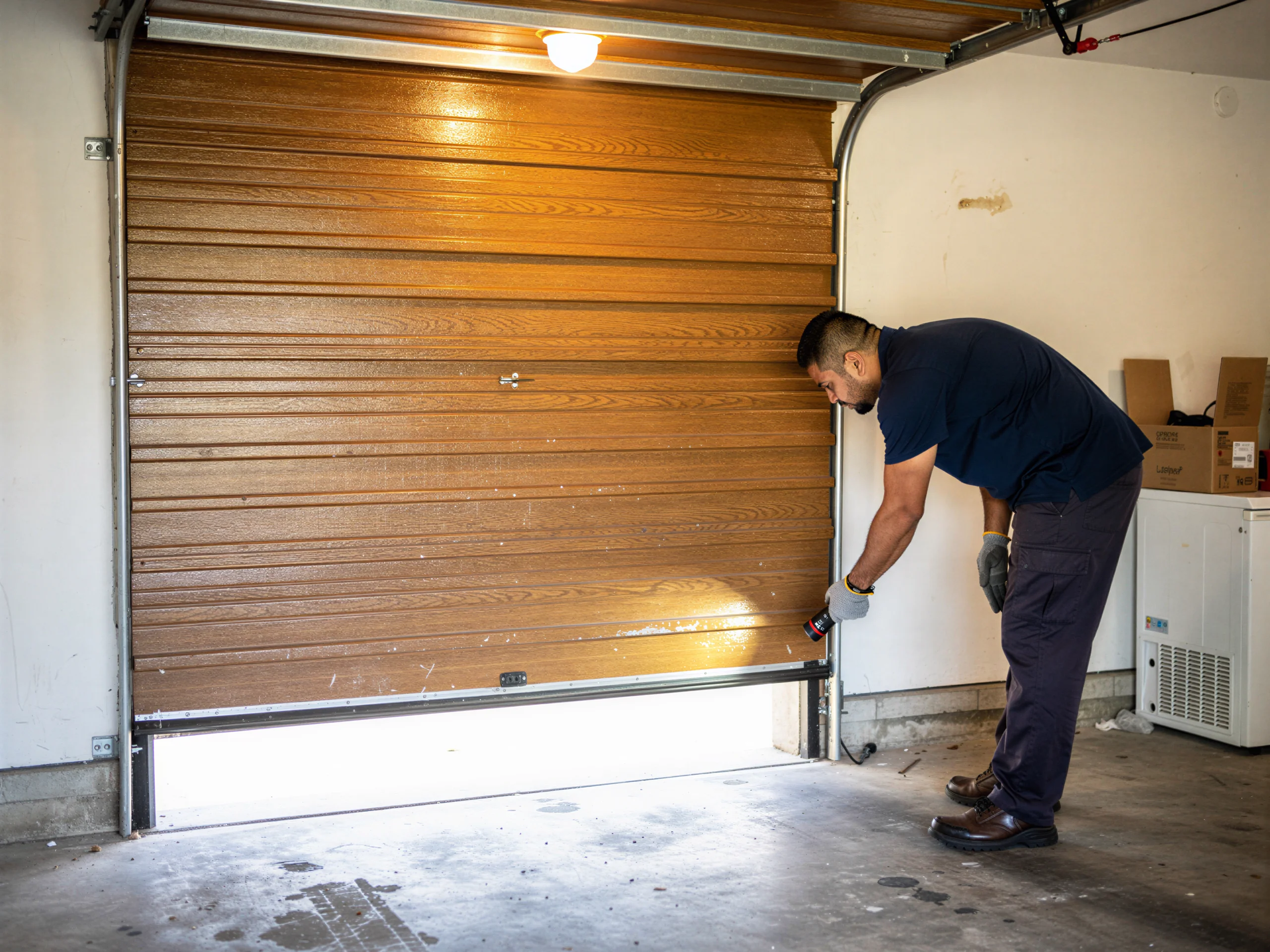
Garage Door Repair Built Around Gilroy's Housing Stock
Garage door repair for Gilroy's 1960s-80s housing stock. Learn more →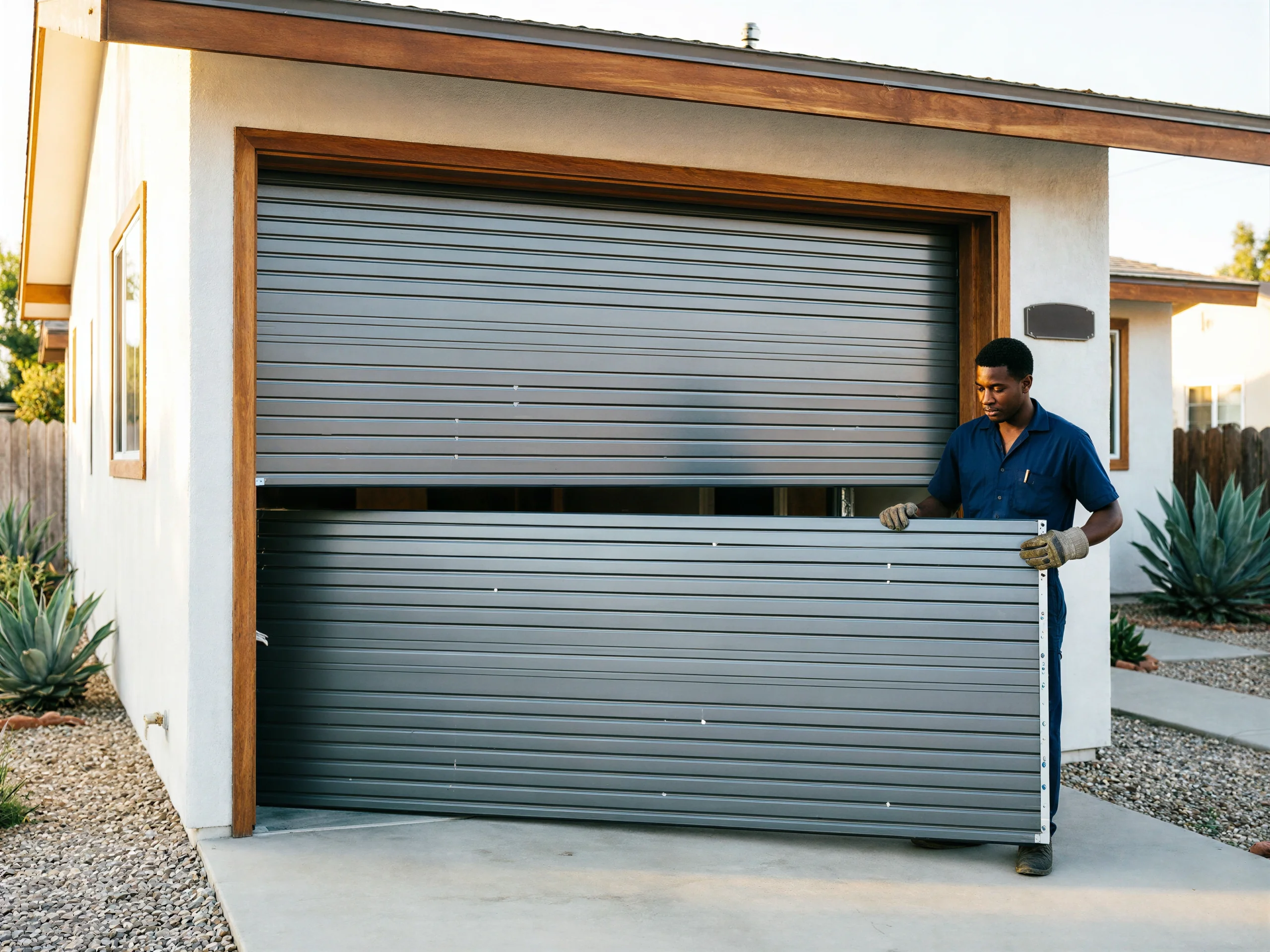
Garage Door Installation for Gilroy Homes
Replacing a worn garage door in Gilroy? Learn more →Ready when you are
Need a garage door sorted in Gilroy?
Gilroy Garage Door Pros repairs and installs garage doors, springs and openers in Gilroy, CA and the surrounding area.