
Blog
What Gilroy Homeowners Should Know About Openers and Power Cuts
Gilroy homes built mostly between 1965 and 1989 often run older garage door openers. Here's what to check before a power cut leaves the door stuck shut.
What to Check
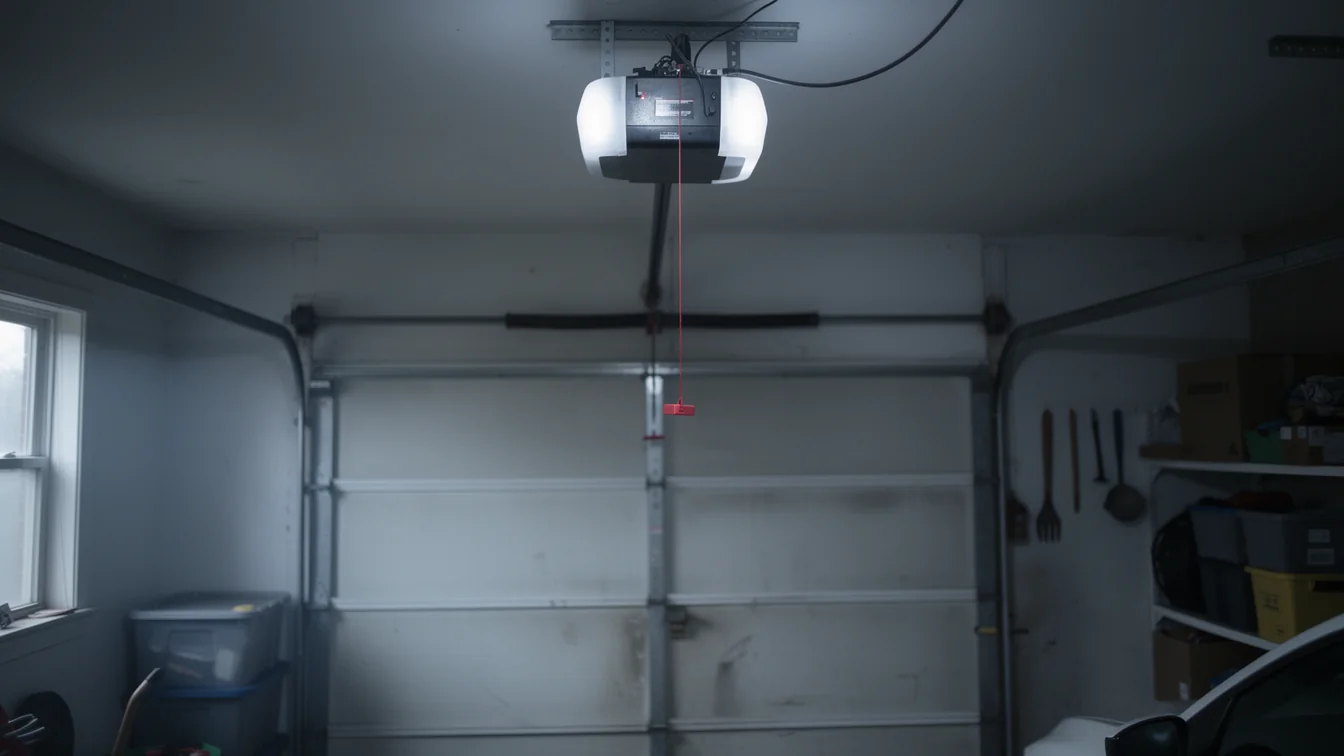
Start with the age of the opener itself, not just the door. Housing across Gilroy mostly went up between 1965 and 1989, with the median build year landing around 1976 - so if the opener hasn't been swapped since the house was built, it's a chain-drive unit with no battery backup, no Wi-Fi, and a trolley that's been grinding the same rail for decades. Pull the manual release cord and see if the door still moves freely by hand; if it doesn't, the track or rollers need attention before you worry about the opener at all.
Check the wall control and the safety sensors near the floor. On openers this old, the photo-eye sensors are often an add-on retrofit rather than a factory part, and a knocked or dusty sensor is the single most common reason a door won't close even when the opener runs fine. Listen for grinding on the chain versus a clean hum - grinding usually means the chain's stretched past its last adjustment.
Finally, check whether the opener has any battery backup at all. If it doesn't, and the house is on an older circuit with original wiring, a power cut means the door is stuck wherever it was until the power's back or someone pulls the release and lifts it by hand.
The Situation
Gilroy sits in a climate band the federal data calls mild, with only occasional freeze mornings - not the deep-freeze problems you'd get further inland, but enough to matter. On those cold, damp mornings, condensation inside the opener housing is the more common failure than a frozen track. Moisture beading on the circuit board after a cold night can trip the opener's logic board or make the remote stop responding until things dry out.
Power cuts are the other half of the problem. Across the service area's 54,186 households, a large share are still running openers installed before battery backup became a standard feature. When the power drops, the door doesn't fail outright - it just sits there, locked to whatever position it was in when the power went. If that's open, you've got a security gap; if it's closed and you need the car out, you're pulling the manual release and lifting the door by hand, which is heavier than it looks on a double door with worn springs.
None of this is dramatic. It's a slow accumulation of small gaps - an old sensor, a chain that's never been adjusted, a backup battery nobody installed - that only show up on the one morning everything goes wrong at once.
What You Pay
We don't have a flat number to hand you here, and we're not going to invent one. What a job costs depends on whether you need a sensor realigned, a chain tightened, or a full opener swap with battery backup added - and those three jobs aren't in the same ballpark.
What we can tell you is what tends to drive the bill up in a house like the ones common around here. If the opener is original to a build from the 1965-1989 wave, there's a decent chance the bracket, rail, and trolley are original too, which means a straight opener swap sometimes turns into a rail replacement once we're up on the ladder looking at it. Battery backup, if you want it added to an existing unit, is a separate part and a separate labor line - it's not something that comes bundled into a basic opener install unless you ask for it specifically.
Given the area's median household income sits well above the national figure, a fair number of owners end up weighing a full replacement against a smaller repair. The honest answer is that it depends on the age and condition of the rest of the door, not just the opener. We'll look at it in person before we put a number on anything - nobody can price this over the phone.
How Local Conditions Play In
Gilroy's housing stock sets the baseline: most of it from 1965 to 1989, median around 1976, which means openers and door hardware here are frequently original or one generation removed from original. That's a different situation from the newer pockets out toward Prunedale, and different again from older rural stock out past Hollister or Watsonville - all areas we cover, ranging from five to nineteen miles out.
The mild, occasional-freeze climate band means we're not fighting ice on tracks the way a mountain town would. What we are fighting is humidity swings - damp mornings that fog up electronics, followed by dry afternoon heat that shrinks wood jambs and throws the door slightly out of square. That cycle is harder on an old chain-drive opener's limit switches than straight cold ever would be.
Put those two things together - older housing stock, a climate that swings wet-to-dry rather than hard freeze-thaw - and you get a specific failure pattern: openers that run fine for years, then start skipping limits or losing their open/close memory right around the same season every year. That's not bad luck. That's the house and the climate doing what they do, on a thirty-to-fifty-year-old machine that was never built to handle either and was never retrofitted for it.
Questions
Common questions
Why does my opener lose its settings after a power cut?
On older chain-drive units without battery backup, the limit switches that tell the opener where open and closed are often rely on power staying constant. A sudden cut can scramble that memory, so the door stops short or runs past where it should. Reprogramming the limits usually fixes it, but on a unit from the 1960s-70s building wave, the switch itself may be worn enough that it won't hold the setting.
Is cold weather actually a problem for garage doors around here?
Not in the way it is further inland. Gilroy's climate band is mild with only occasional freeze mornings, so hard-frozen tracks aren't the common failure. Condensation inside the opener housing on cold, damp mornings is more likely to cause trouble than ice, especially on older units with exposed circuit boards.
Should I add battery backup to my existing opener?
It depends on the opener's age and model. If it's original to a house built in the 1965-1989 range, the unit may be old enough that adding backup isn't worth the labor compared to replacing the whole opener with one that has backup built in. We'd need to see the specific unit to say which makes more sense.
What should I do if the power goes out and my door is stuck closed?
Find the manual release cord, usually a red handle hanging from the trolley, and pull it straight down. That disconnects the opener so you can lift the door by hand. On a heavier double door with aging springs this takes real effort, so if it won't budge, don't force it - that's a spring problem, not just a power problem.
Recommendation
You Might Also Like
More garage door guides for Gilroy homeowners.
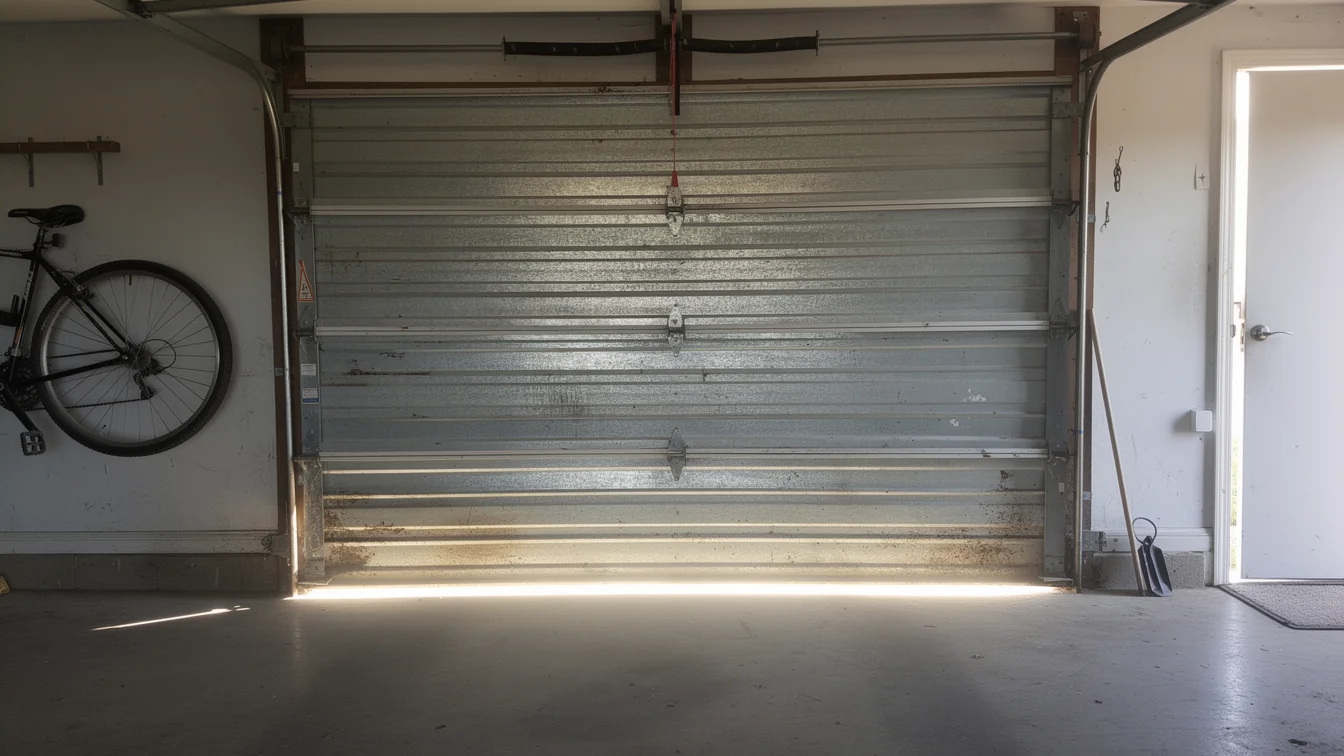
Why Gilroy's Older Garage Doors Need a Different Kind of Check
Gilroy homes mostly date to 1965-1989, before insulation codes existed, leaving garage doors and openers that were never built to today's energy standards.
Read guide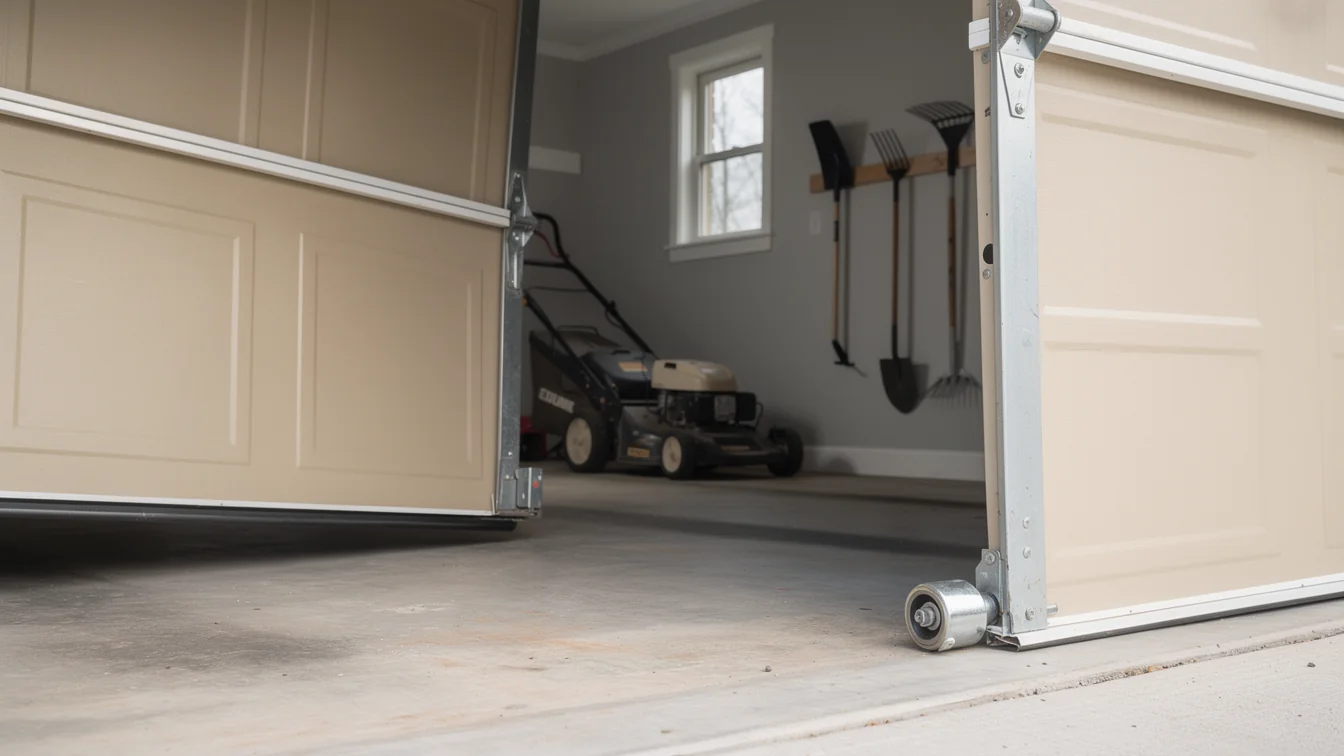
Why Garage Doors Go Off Track in Gilroy Homes
Gilroy homes built 1965-1989 often run original track hardware.
Read guide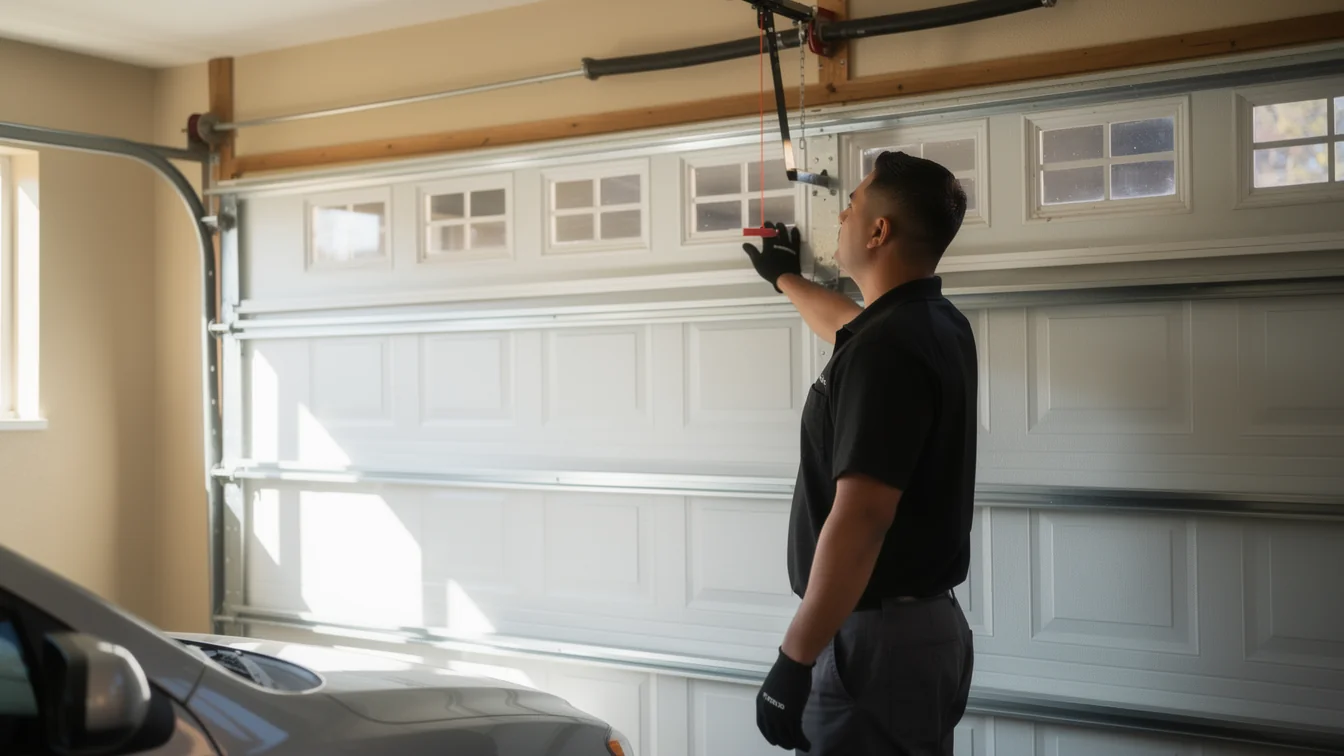
What That Noise Really Means on a Gilroy Garage Door
Gilroy homes built mostly 1965-1989 have specific door and spring wear patterns.
Read guideReady when you are
Need a garage door sorted in Gilroy?
Gilroy Garage Door Pros repairs and installs garage doors, springs and openers in Gilroy, CA and the surrounding area.