
Amesti, Gilroy
Garage Door Repair for Amesti Homes
Amesti homes mostly went up around 1971, a few years ahead of the wider Gilroy area's 1976 median. That gap changes which springs and openers we see failing out here.
What You Pay
We don't post a flat number for Amesti because every job starts with what's actually on the door, but the math here looks different from the rest of the Gilroy service area. Amesti's roughly 880 households sit at a median income of $102,083, well under the wider area's $131,233. That doesn't change what a torsion spring or a drum costs us to source, but it does mean we see more owners asking for a repair quote before they'll even consider a full door swap, and we give it to them straight when a repair isn't worth it. We travel out from Gilroy for every call, about 11 miles each way, and that trip is built into how we price a job, not added as a surprise line later. If a part needs ordering, we tell you before we quote, not after.
What the Fix Involves
Most houses in Amesti went up around 1971, a few years ahead of the 1965-1989 range that covers the wider service area, where the typical build year lands closer to 1976.
Extension spring era
That five-year gap matters more than it sounds. Doors and openers installed in the early 1970s tend to run older extension-spring setups rather than the torsion systems that became standard through the later part of that build window.
Identifying the spring system
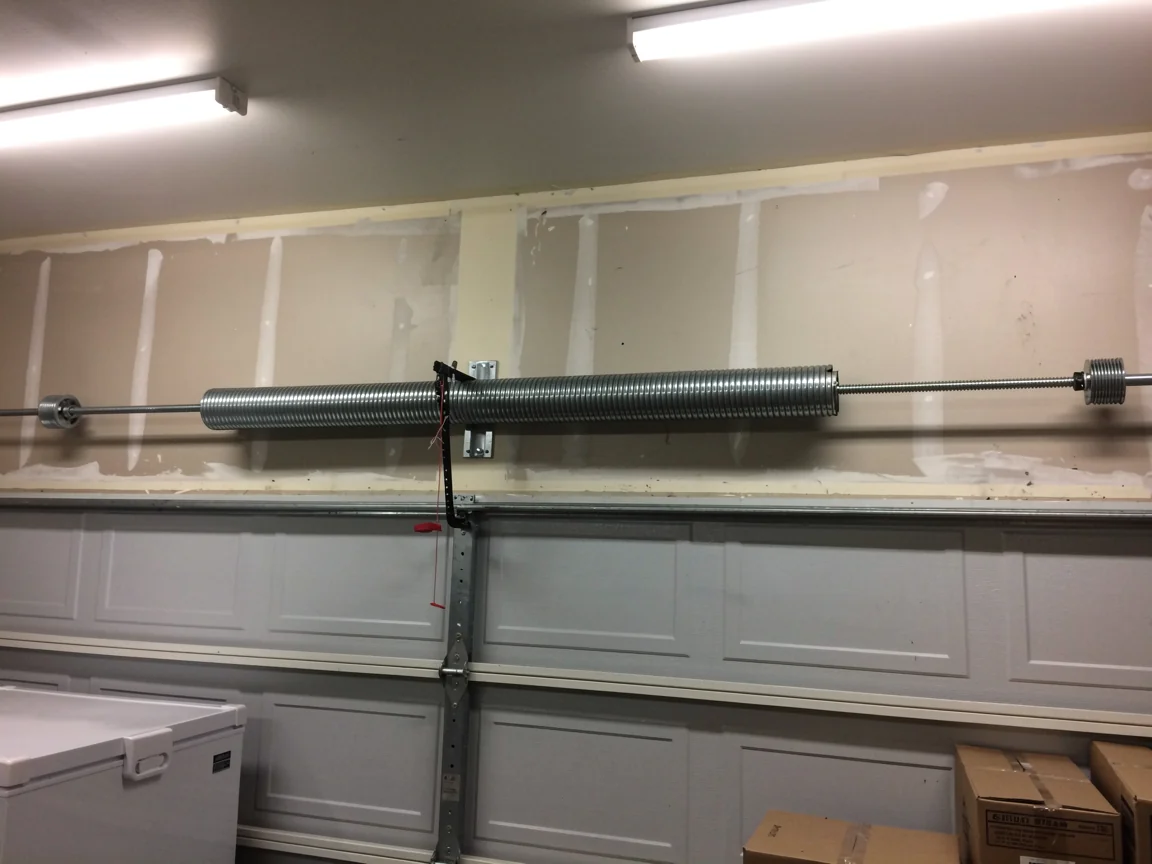
When we get a call out here, the first thing we check is which system is actually on the wall, because the fix for a seized extension spring looks nothing like the fix for a torsion spring that's lost tension.
Stamped brackets wear differently
Cables, pulleys, and the stamped steel brackets from that era also wear differently than the galvanized hardware that shows up in homes built even a decade later. We carry stock for both systems on the truck, but we confirm on-site before we start pulling anything apart.
What Can Go Wrong
The age of the stock out here means we run into failures that are rarer on newer doors elsewhere in the area. Extension springs from the early 1970s don't have the safety cables that later code required, so a snapped spring can send the coil across the garage instead of staying contained. Original steel tracks on houses from that period have often been bent or narrowed by decades of minor bumps, which throws rollers off their path long before the roller itself wears out. The climate here is mild with occasional freeze, so we don't deal with the swelling and cracking that humid regions see, but the cold snaps are enough to stiffen old grease on hardware that hasn't been serviced since it was installed. Combine thinner original brackets with a spring that's outlived its cycle count, and a door that looked fine yesterday won't open today.
Doing It Yourself
A loose chain or a sensor that needs realigning, most owners can handle. A spring on a door built in this era is a different matter, especially if it's an older extension-spring setup without the restraint cable now standard on torsion systems.
Spring force injury risks
These springs store enough force to cause real injury, and without the original safety hardware, there's no backup if something slips. We also wouldn't recommend ordering generic replacement parts without matching the original gauge and length, since a mismatched spring puts uneven load on a track that's already decades old.
Uneven drop after release
If the door won't move at all, or if it drops unevenly when you pull the release cord, stop there and call it in rather than working around it.
Why This Fails Locally
A door that was fine for forty years in Amesti doesn't fail because of bad luck, it fails because the hardware was built for a different era of code and a different cycle count than today's doors. Houses here predate the torsion-spring safety standards that came later in the same broader build window covering the service area, so when a cable frays or a spring finally lets go, the failure mode is often worse than what we see on a house built even ten years after it. At 880 households, Amesti isn't a big enough market to support its own stocked parts depot, which is part of why we run the inventory out of Gilroy and bring what the job needs rather than guessing. The upside is we've seen this generation of hardware enough times from working the wider 1965-1989 stock to know what we're looking at before we even open the panel.
Getting It Booked In
Since we come out from Gilroy for every Amesti call, about 11 miles out, we ask a few questions up front: the door's rough age, whether it's torsion or extension spring if you can tell, and what it's doing or not doing. That lets us bring the right spring gauge and bracket hardware instead of making a second trip. We don't keep a branch in Amesti itself, so scheduling runs through the main Gilroy line, but the truck is stocked for the hardware common to this build era before we leave. You can see the areas we cover from here on our Amesti service page, and if your job turns out to need more than a repair, our general Gilroy repair page covers full replacement options.
Questions
Common questions
Why does my door's age matter if it still opens fine?
A door that still opens can still have a spring near the end of its cycle count or a bracket thinner than current standards. Homes in Amesti mostly date to around 1971, which is before some of the torsion-spring safety hardware common on newer installs. Working fine today doesn't mean the hardware is current, and that's exactly the kind of door that fails without much warning.
Do you have a branch or depot in Amesti?
No. We run out of Gilroy, about 11 miles away, and bring stocked parts matched to the hardware common for this area's build era. Scheduling goes through the main Gilroy line, not a local office, because there isn't one here.
Is it cheaper to repair than replace on an older door?
Sometimes, sometimes not. If the track and frame are still square and it's just a spring or cable, repair usually makes sense. If the opener, track, and springs are all original and all near failure, we'll tell you straight that spending on repair after repair stops making sense and replacement is the better call.
Explore more
More Services in Amesti
Cable Repair
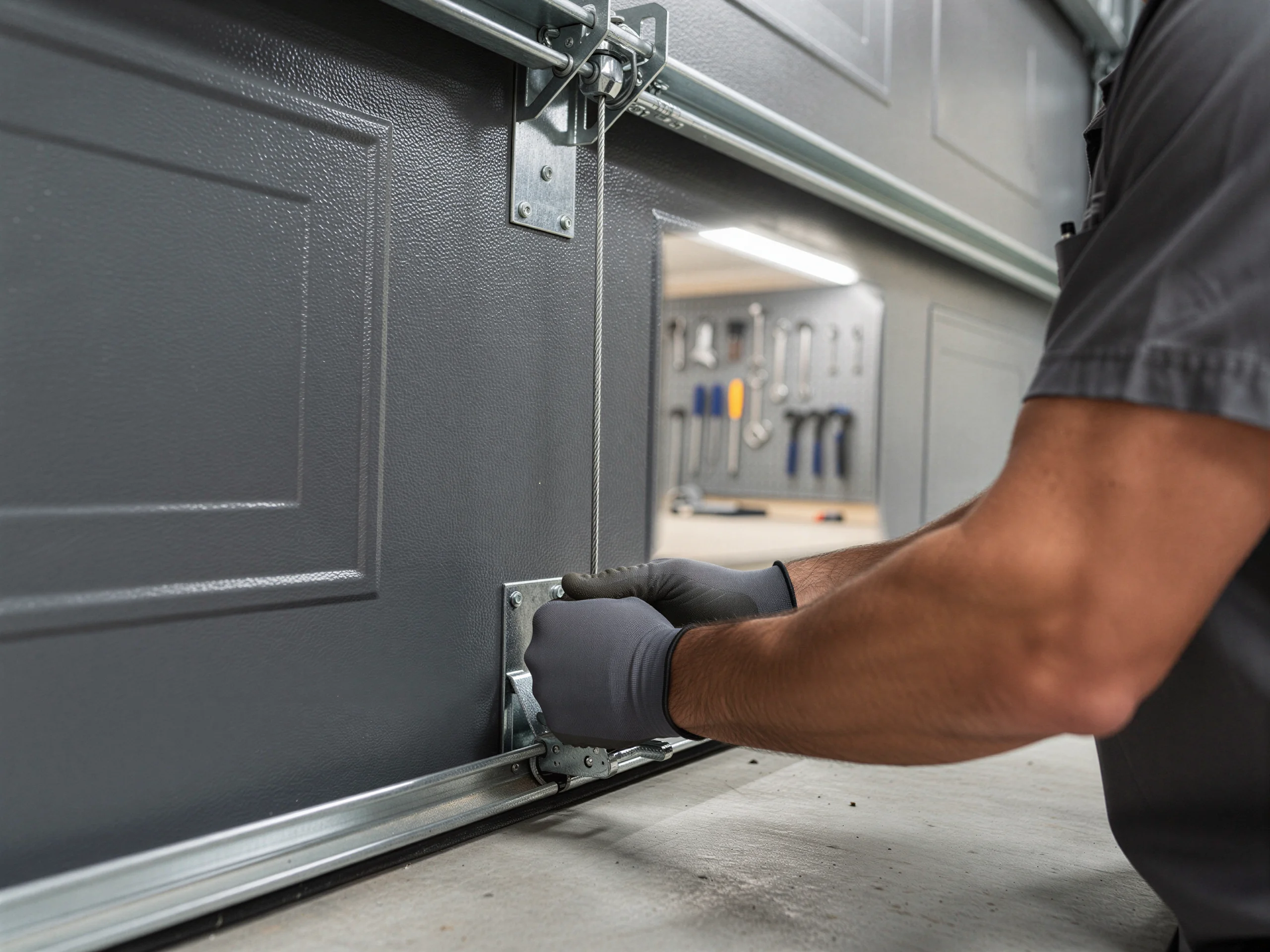
Cable repair for Amesti's 1971-era garage doors, serviced from Gilroy, 11 miles out. Learn more →
Emergency Garage Door
Amesti's houses date to around 1971, older torsion hardware and worn springs. Learn more →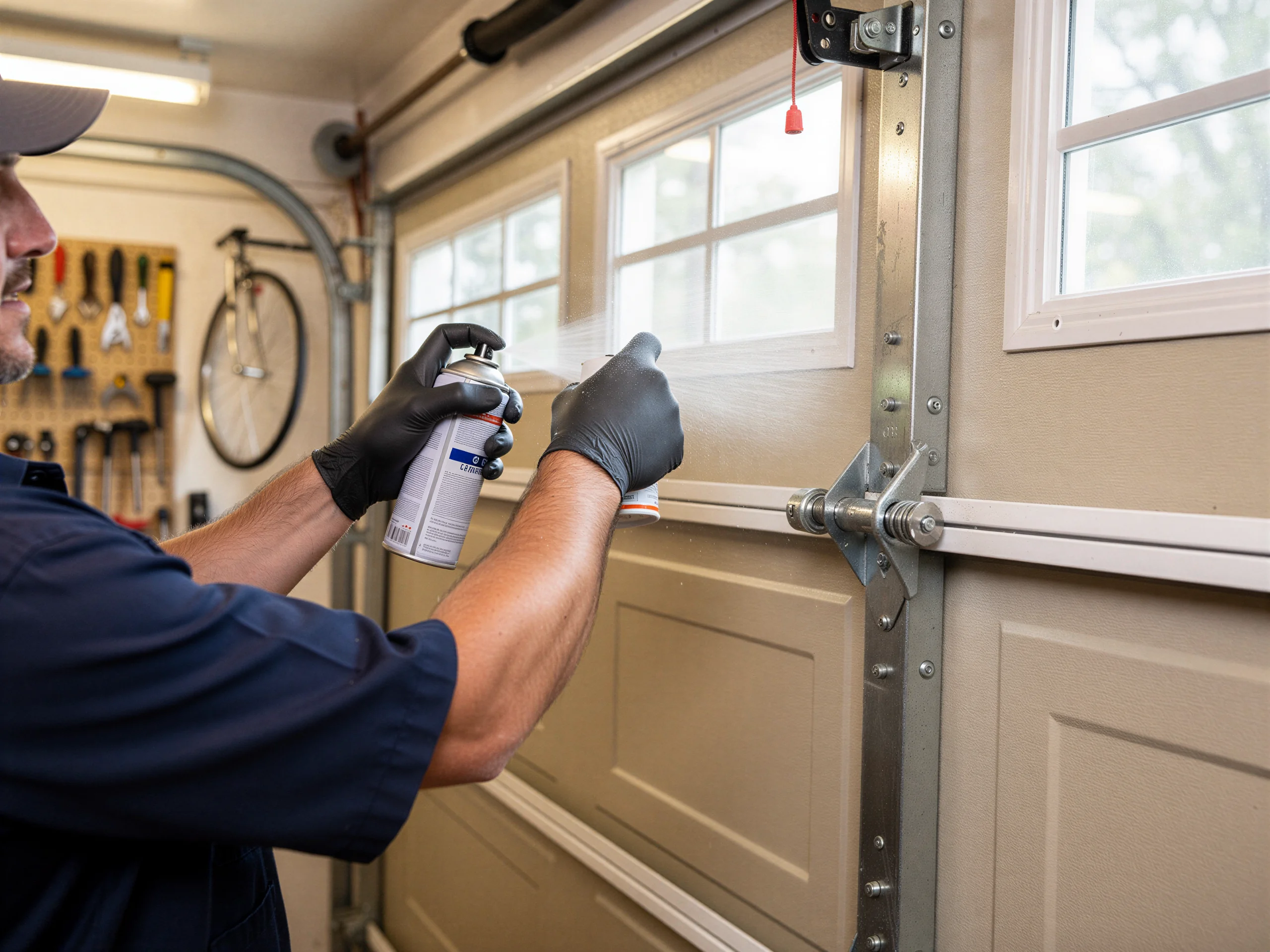
Garage Door Service
Amesti homes went up mostly around 1971, which means original extension-spring hardware on a lot of doors. Learn more →
Maintenance
Amesti homes date mostly to 1971, built before modern spring and sensor standards. Learn more →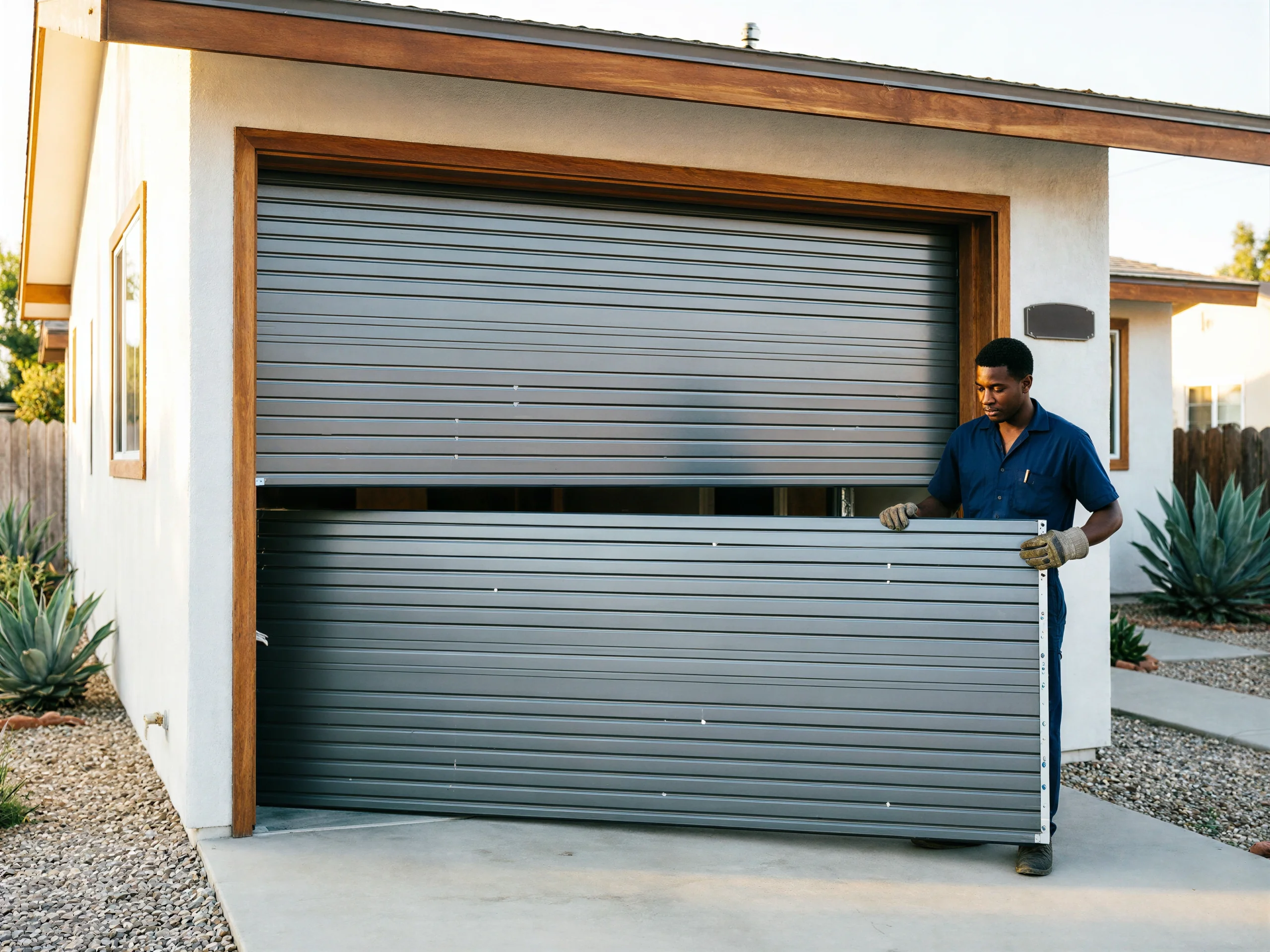
New Door Installation
Amesti homes date mostly to 1971, and most still run original hardware. Learn more →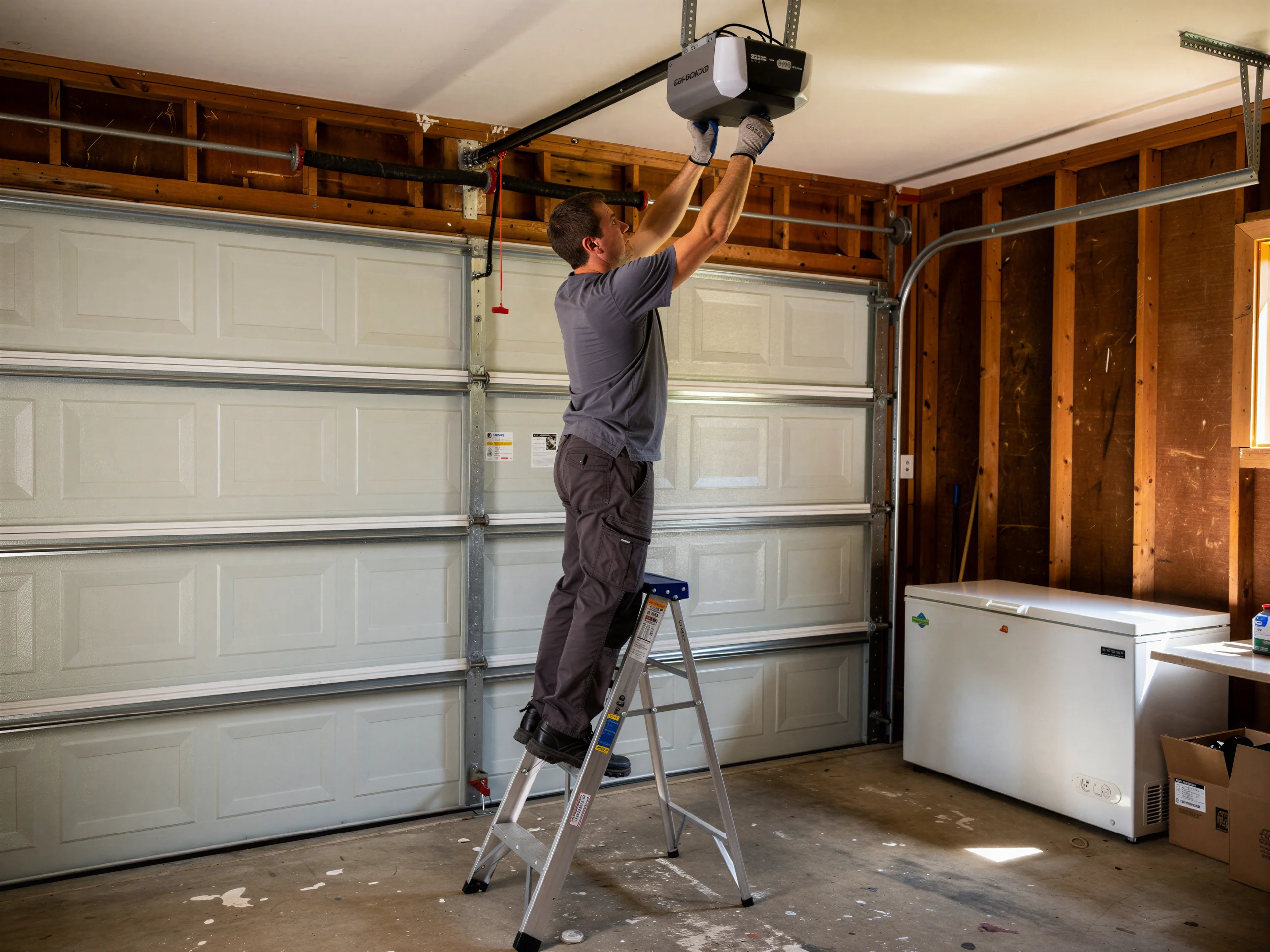
Opener Installation
Amesti has about 880 households and mostly 1970s-era garages. Learn more →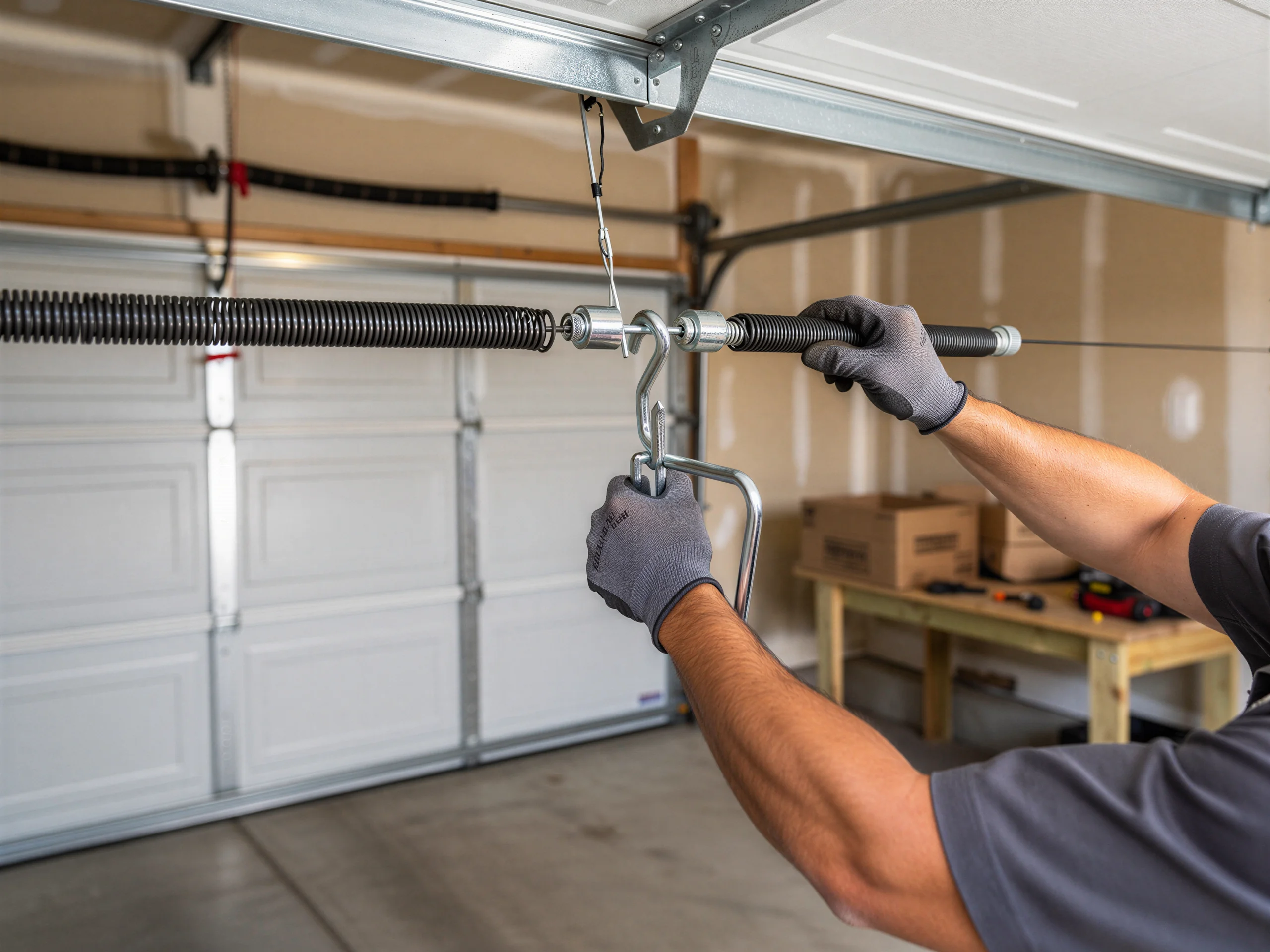
Spring Repair
Spring repair for Amesti homes built around 1971, priced against a $102,083 median income. Learn more →Ready when you are
Need a garage door sorted in Gilroy?
Gilroy Garage Door Pros repairs and installs garage doors, springs and openers in Gilroy, CA and the surrounding area.