
Amesti, Gilroy
Garage Door Service for Amesti's 1970s-Era Doors
Amesti homes went up mostly around 1971, which means original extension-spring hardware on a lot of doors. We work on that stock from our Gilroy shop, 11 miles out.
What You Pay
We don't have a published price list for Amesti specifically, and we're not going to make one up. What we can tell you is what drives the number: whether you're dealing with a broken spring versus a full door swap, whether the opener is original to the house or already replaced once, and whether the track and hardware are standard sizes or something a 1971-era builder used that nobody stocks anymore. Amesti's median household income sits around $102,083, lower than the wider Gilroy service area's $131,233 median, and that gap shows up in what we see on site - more owners asking us to repair a spring or cable rather than replace the whole door, because the door itself is still sound. We quote on the actual job once we've looked at the opener, the springs, and the track, not off a phone call. If a part needs ordering because it's an older size, that adds a day or two - we'll tell you up front if that's the case.
What the Fix Involves
Most of the calls we get from this pocket of the service area start with a spring - usually extension springs mounted above the horizontal track, which was standard on houses built around the early-to-mid 1970s, Amesti's median build year being 1971.
Replacing springs as a pair
Torsion conversions came later and a lot of these doors never got upgraded. The fix usually means replacing both springs as a pair even if only one broke, checking the cable drums for wear, and testing the opener's force settings afterward because old springs carrying more weight than they should throws the balance off.
Panel seam and hinge checks
If the door is original steel sectional, we also check panel seams and hinge wear while we're in there - thin steel from that era dents and rusts differently than what gets installed today. We're not swapping an opener or a full door unless the job in front of us actually needs it.
What Can Go Wrong
The main failure point on a 1971-built door is the spring and cable system simply aging out - extension springs lose tension gradually, then snap, and the door either won't lift or slams down. Second most common: the opener's safety reversal system, if it was ever retrofitted, isn't matched correctly to the original hardware, which can mean a door that doesn't stop when it should. Climate here is mild with occasional freeze risk, not the kind of extreme swings that crack panels outright, but original steel that's been through 50-plus winters of condensation in an unheated garage rusts at the hinges and track brackets first. We also see rollers that were never replaced - steel rollers on a 1970s door are loud and binding by now, and that's often the first sign something bigger is about to go.
Doing It Yourself
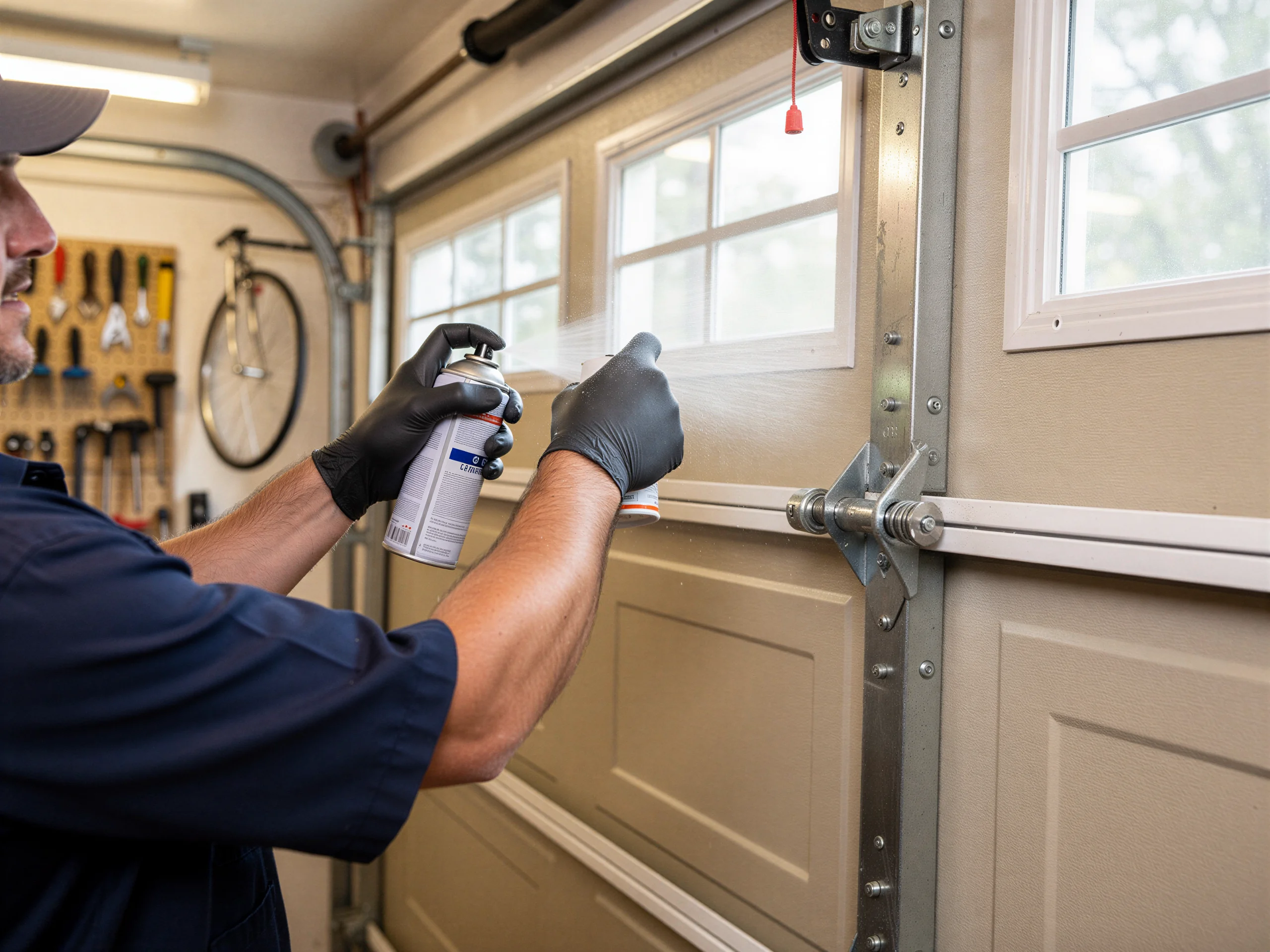
Lubricating hinges, rollers, and the track with a garage-door-specific lubricant is fine to do yourself, and so is tightening loose bolts on the track brackets.
Extension spring whip risk
What we don't recommend touching yourself: the springs. On a door this old, the spring is holding more tension than people expect, and extension springs in particular can whip if they let go while you're adjusting them.
Safety reversal failure check
If your opener's safety reversal doesn't stop the door on contact with something on the floor, that's not a tinkering job either - it's a sign the opener and door aren't matched right, and that needs someone who can check both.
Discontinued 1970s part sourcing
Honest limit on our end: if your door needs a part sized for 1970s hardware that's been discontinued, we may need a day or two to source it rather than fixing it same-visit.
Why This Fails Locally
The reason this matters specifically for Amesti rather than garage doors in general: the area's housing stock clusters tightly around 1971, which means the fault pattern is unusually consistent from house to house - extension springs, steel rollers, and original openers all aging out around the same calendar window. Compare that to parts of the Gilroy service area built later with torsion springs as standard, and the repair call is a different job entirely. With about 880 households in Amesti, we're not covering a huge area, but the housing age is uniform enough that when one spring goes, the neighbor's is usually close behind it on the same timeline.
Getting It Booked In
We run out of Gilroy, about 11 miles from Amesti, and we come out for spring repairs, opener issues, and full door replacements. Give us a call, tell us roughly how old the door is and what it's doing - not lifting, won't stay down, making noise - and we'll tell you what we need to bring. Have the make of your opener handy if you know it; on houses this age it's sometimes been swapped once already and that changes what parts we load on the truck.
Questions
Common questions
Why do so many Amesti garage doors use extension springs instead of torsion springs?
Amesti's housing stock clusters around 1971, and extension springs mounted over the horizontal track were the standard setup at that time. Torsion spring systems became more common later, so unless a homeowner has already upgraded, the original extension-spring setup is usually still there.
Do you have a shop or truck based in Amesti?
No - we run out of Gilroy, about 11 miles away, and travel out for jobs in Amesti. We don't keep a branch or depot here, so we schedule the visit rather than offering a fixed on-site response time.
Is it worth repairing a 1971-era door instead of replacing it?
Often yes. If the panels and track are sound, a spring or cable repair costs far less than a full replacement and the original steel sectional doors from that era usually have a lot of life left once the hardware's been serviced. We'll tell you honestly if the door's past that point.
Explore more
More Services in Amesti
Cable Repair
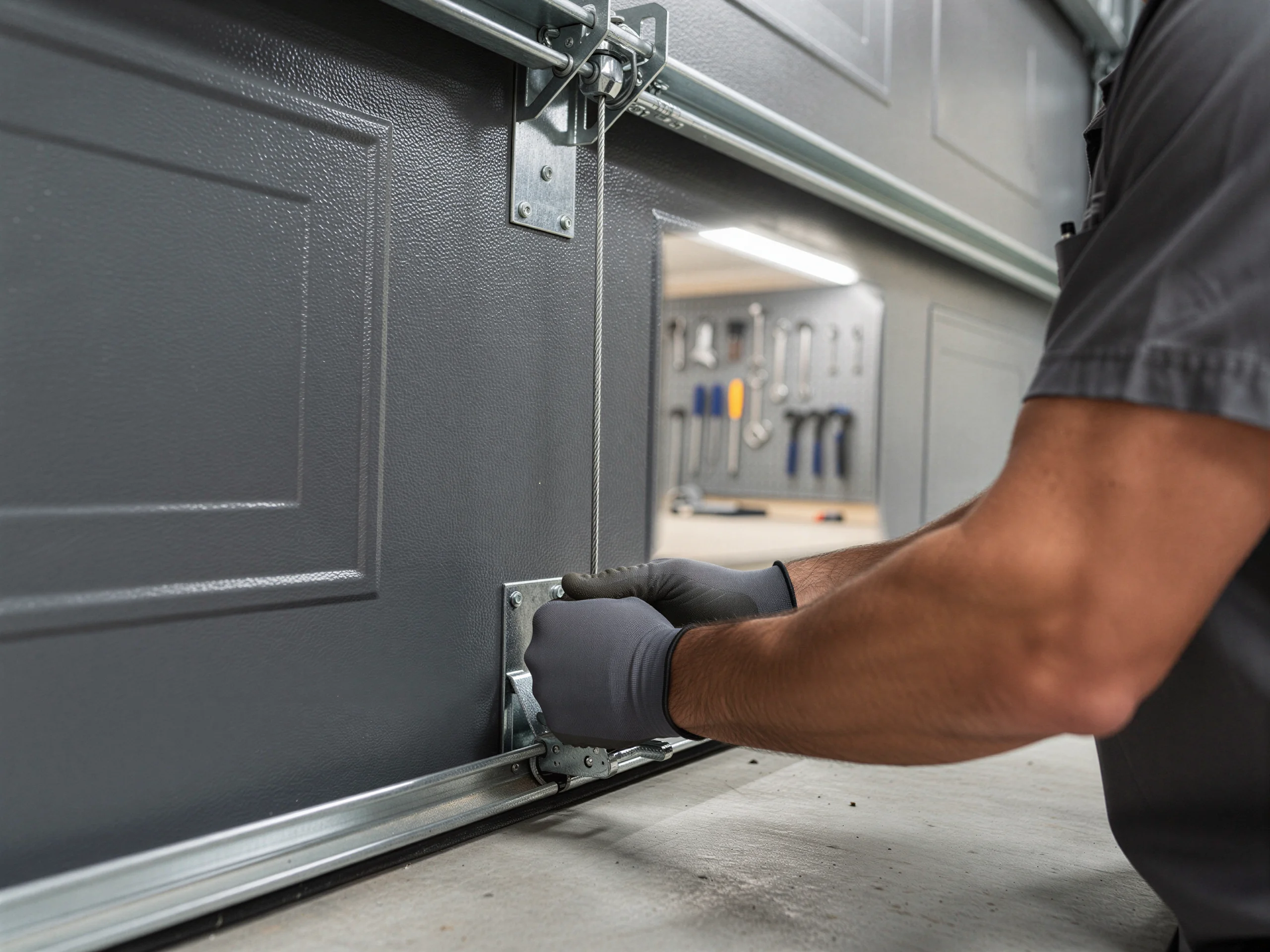
Cable repair for Amesti's 1971-era garage doors, serviced from Gilroy, 11 miles out. Learn more →
Emergency Garage Door
Amesti's houses date to around 1971, older torsion hardware and worn springs. Learn more →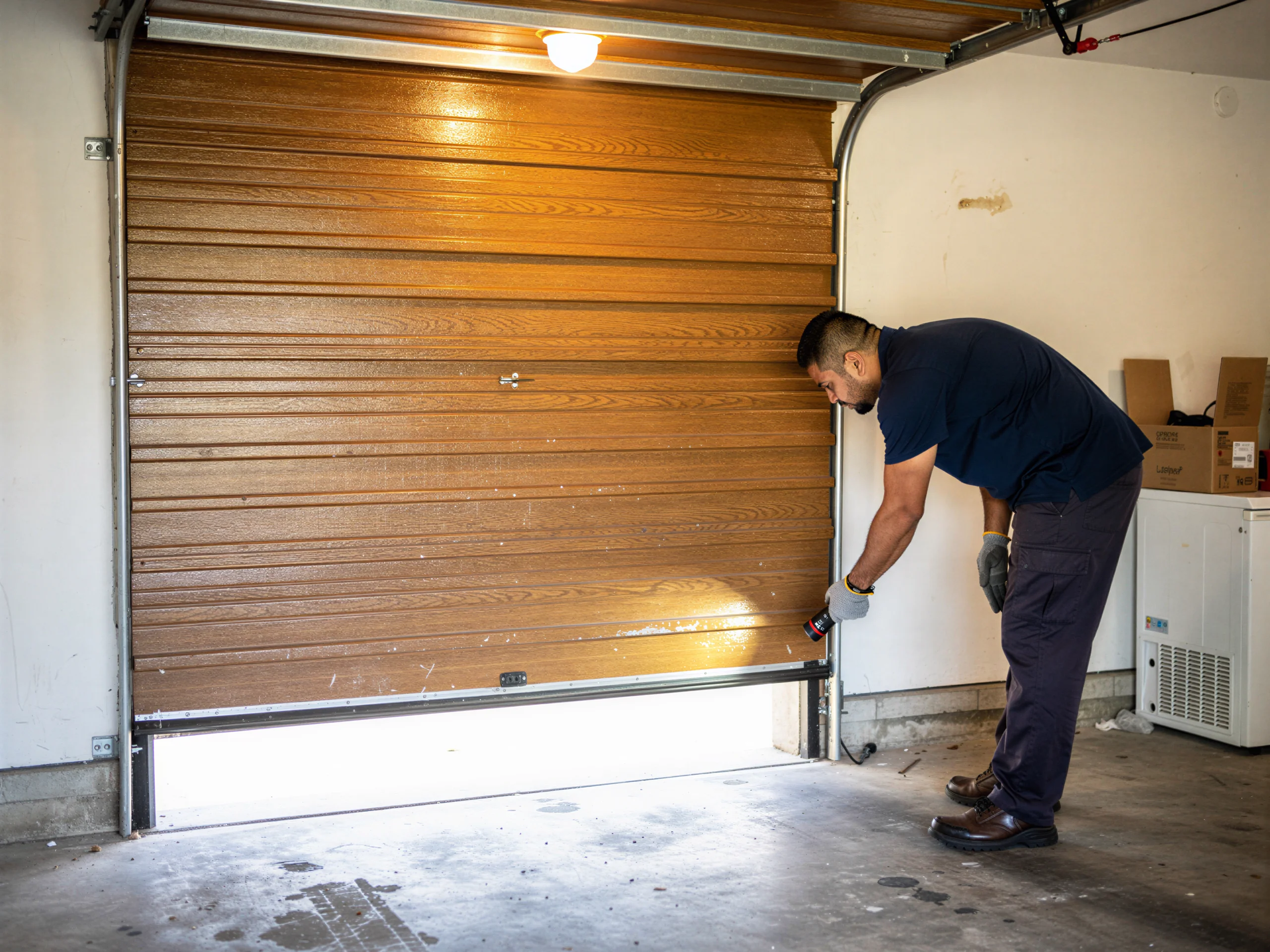
Garage Door Repair
Amesti homes mostly went up around 1971, a few years ahead of the wider Gilroy area's 1976 median. Learn more →
Maintenance
Amesti homes date mostly to 1971, built before modern spring and sensor standards. Learn more →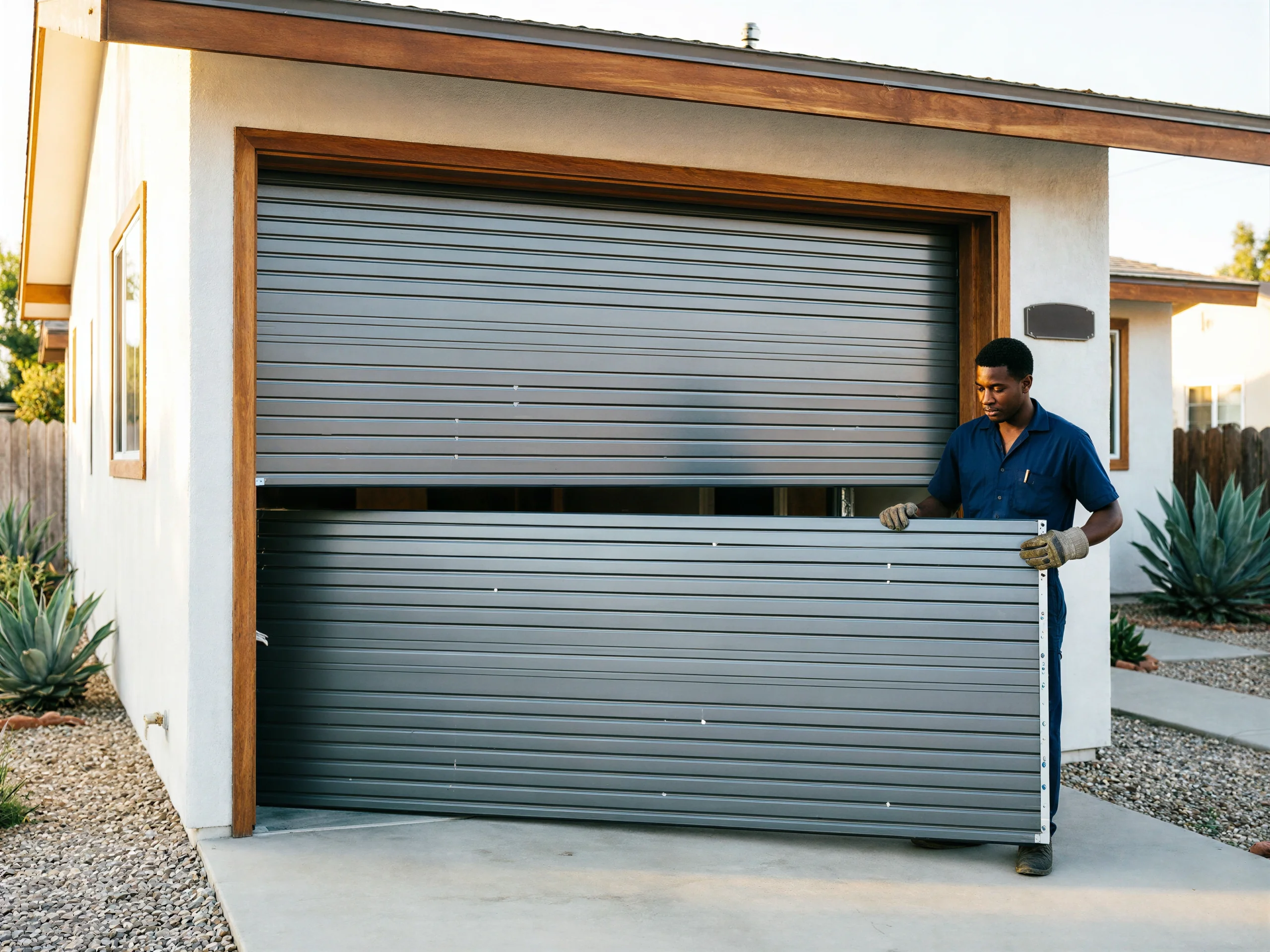
New Door Installation
Amesti homes date mostly to 1971, and most still run original hardware. Learn more →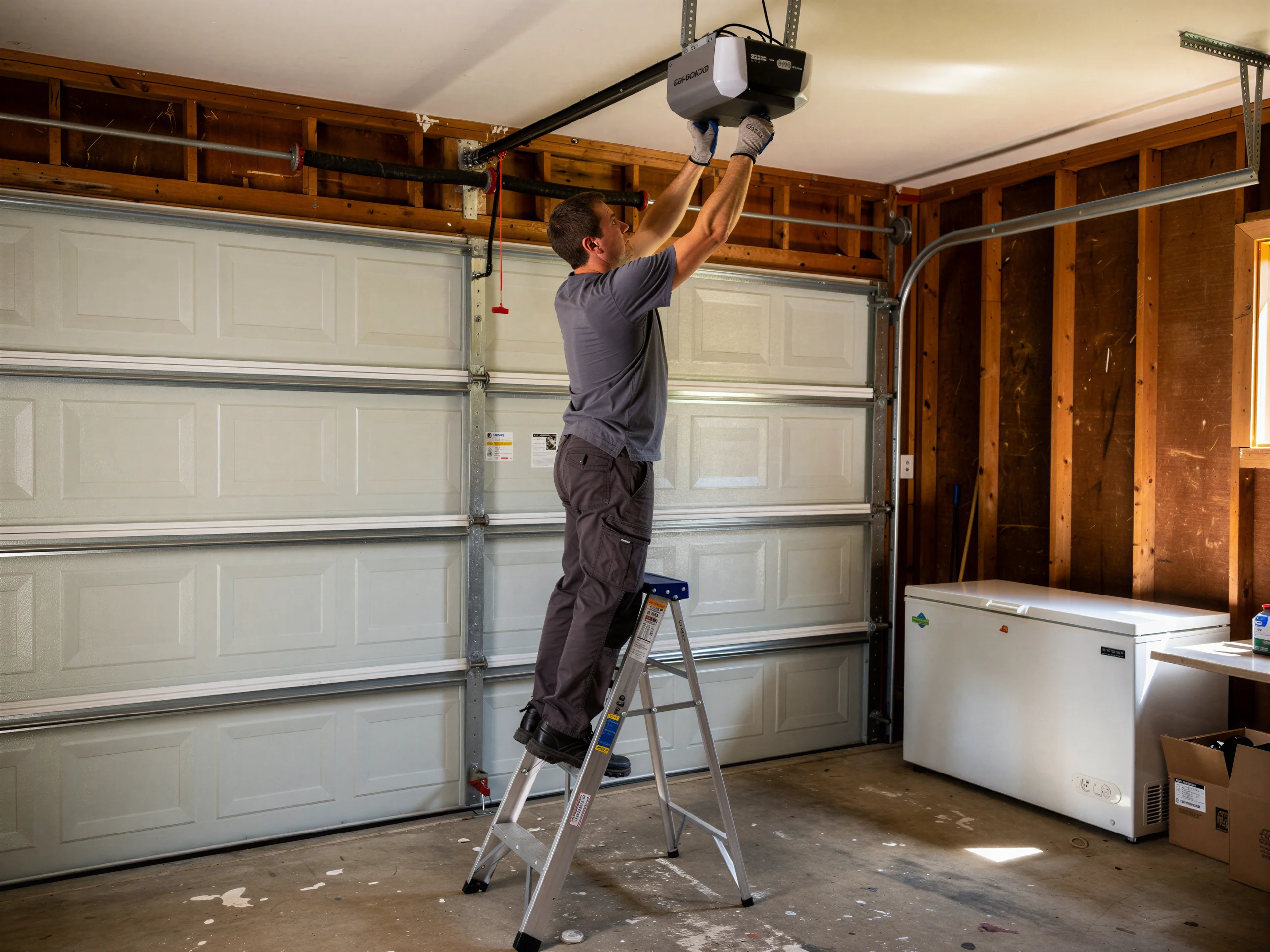
Opener Installation
Amesti has about 880 households and mostly 1970s-era garages. Learn more →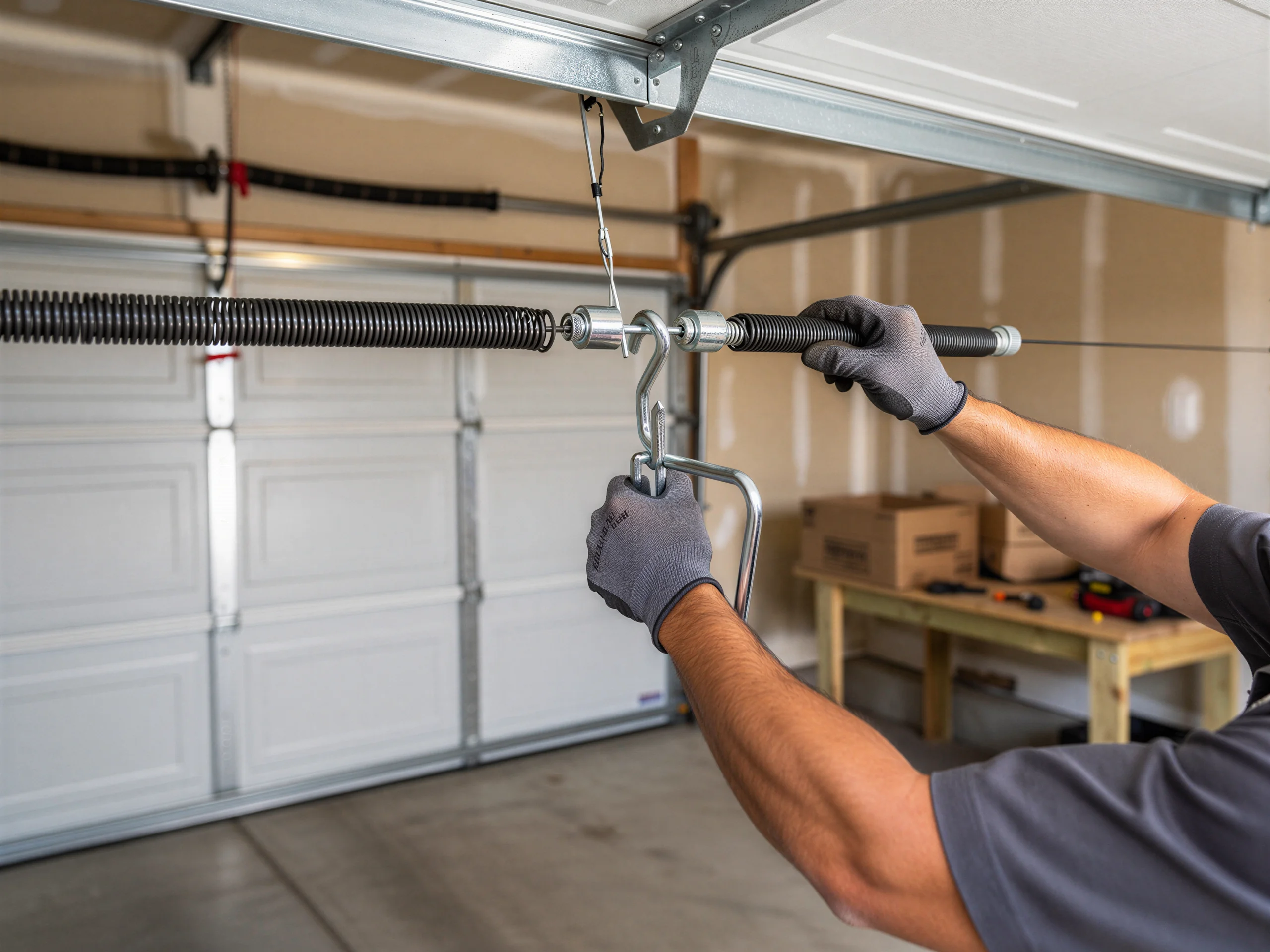
Spring Repair
Spring repair for Amesti homes built around 1971, priced against a $102,083 median income. Learn more →Ready when you are
Need a garage door sorted in Gilroy?
Gilroy Garage Door Pros repairs and installs garage doors, springs and openers in Gilroy, CA and the surrounding area.