
Hollister, Gilroy
Garage Door Service for Hollister Homes
Hollister homes mostly went up after 1989, later than the 1976 median across the service area. That gap changes which springs, openers and tracks fail first.
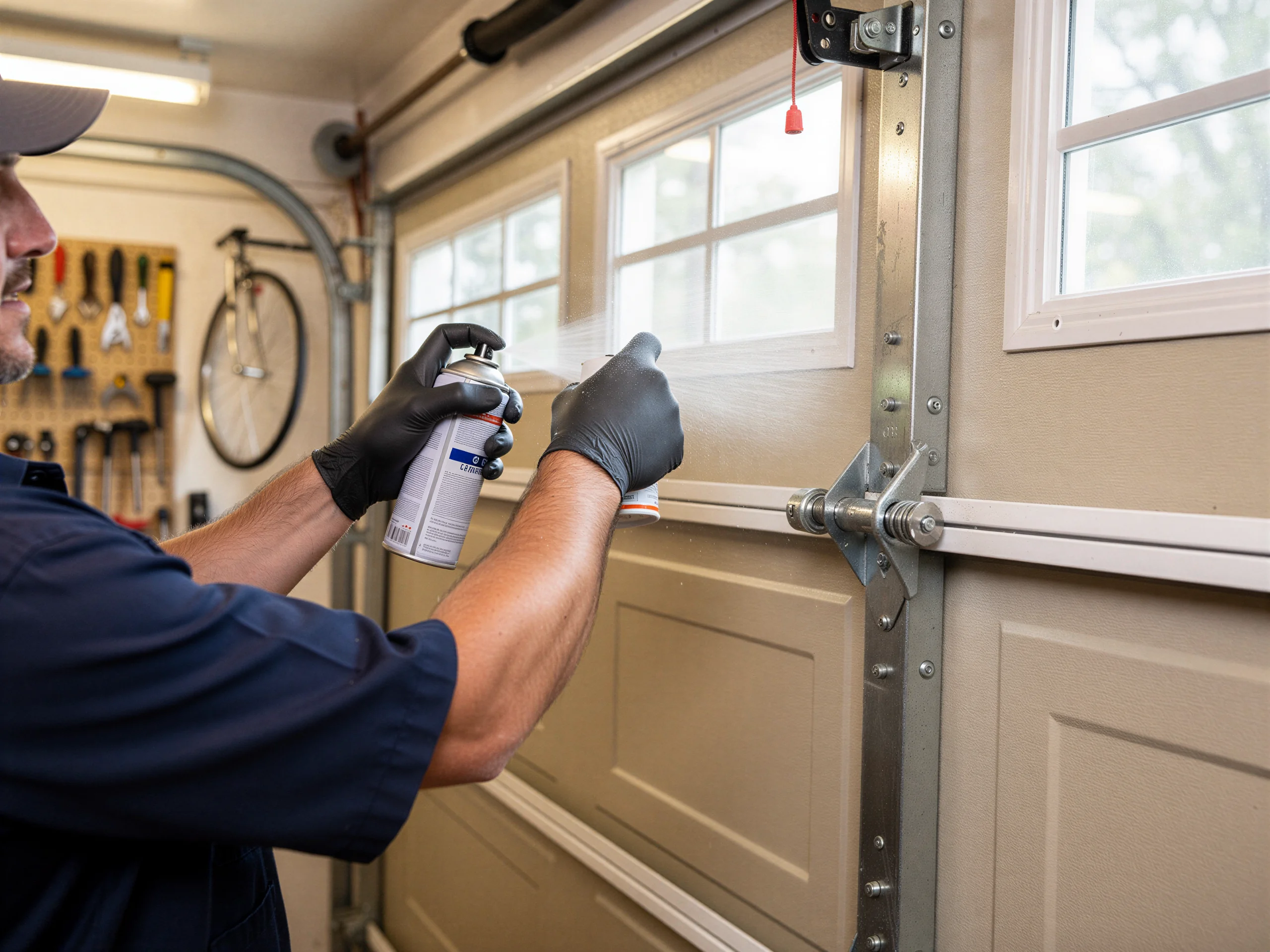
What Can Go Wrong
Hollister's housing stock skews newer than the 1965-1989 range that covers most of this service area, with a median build year of 1989 here against 1976 across the wider territory.
Track tolerance differences
That ten-plus year gap matters more than it sounds. A house built in 1989 almost always shipped with an extension-spring opener system and a steel track built to a different tolerance than the torsion setups common on 1960s and 70s houses elsewhere in the territory.
Worn end bearing plates
On these later builds, the failure we see most is the extension spring itself fraying or snapping its safety cable, plus end bearing plates that were never upgraded and have worn oval instead of round.
Nylon rollers bind suddenly
Rollers on these doors are usually nylon rather than the steel rollers common on older stock, so they wear quieter but fail with a sudden bind rather than a slow grind, which means some owners get almost no warning. Openers from this era are also more likely to be the chain-drive units with worn trolley carriages, something a 1960s torsion door in another part of the territory wouldn't show at all.
Why This Fails Locally
The climate here is mild with occasional freeze risk, the same band as the rest of the territory, so you're not fighting the kind of humidity swings or deep freeze-thaw cycles that crack hardware elsewhere in the country. That's a point in Hollister's favor. What works against it is age meeting design: extension-spring systems from the late 1980s weren't built with the same cycle life as modern torsion setups, and after three decades of seasonal temperature swings the galvanized coating on those springs is often the only thing holding back rust at the coil ends. Median household income across the full service area is $131,233, but the number specific to Hollister households runs lower, around $101,979 - which in practice means more owners here are repairing a working door rather than replacing it outright, and more of our calls are spring and cable jobs instead of full unit swaps. Hollister sits about 15 miles from Gilroy, within the same 5-19 mile band as the other communities this company reaches, so a dispatched truck has the room to carry both repair stock and full units without guessing which one a 1989-era door will need.
What Is on the Truck
Because Hollister's typical build year sits well past the older torsion-spring houses elsewhere in the territory, the truck stocks extension springs and their safety cables in the common late-1980s sizes, along with the oval-wear end bearing plates and nylon rollers that fail on these systems.
Sprockets and trolley carriages
We carry chain-drive opener parts - sprockets, trolley carriages, drive gears - since that's the dominant opener type on houses from this era, more than belt or jackshaft units. Standard 2-inch track sections and the fasteners for steel jambs from this build period round out the stock.
Custom panel skins ordered on-site
What we don't carry on every run is a wide range of custom panel skins or specialty insulated sections; those get ordered once we've confirmed the exact door model on site, since nobody keeps every panel style in stock and it would be dishonest to pretend otherwise.
Doing It Yourself
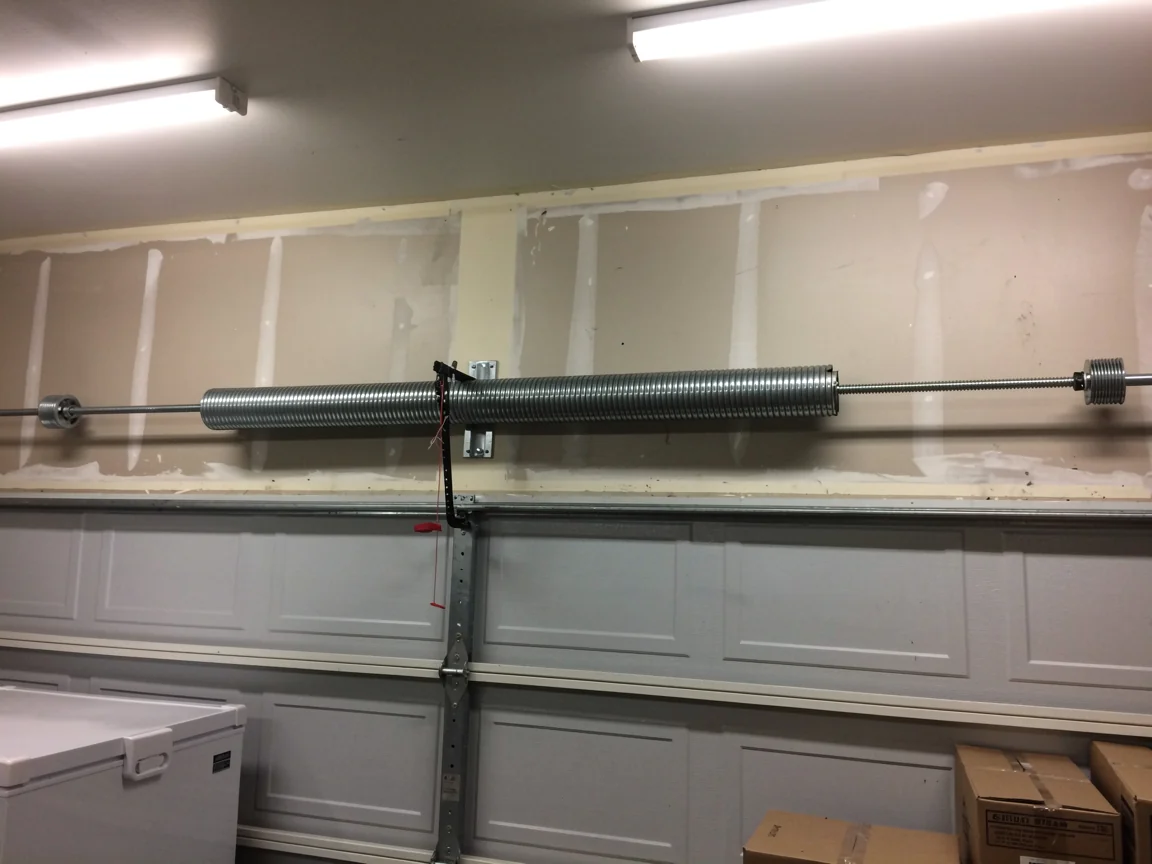
If your door is sticking or slow to open, check first whether it's an extension-spring system - you'll see two long springs stretched along the horizontal tracks rather than one or two coiled springs over the header. These extension springs are under real tension and the safety cable through the center is there to keep the spring from becoming a projectile if it lets go; don't unhook anything near it. A loose chain on a chain-drive opener, or a trolley that's come off its track, is something you can often spot by eye without pulling a cover. What you shouldn't try on a late-1980s extension system is replacing the springs yourself - the tension and the cable routing are not forgiving, and a house this age often has bearing plates worn enough that removing one spring shifts the whole assembly. That's a call-the-truck job, not a Saturday project.
Questions
Common questions
Why does my 1989 Hollister house need different parts than a Gilroy house?
Most Hollister homes were built later than the territory-wide median of 1976, which means extension-spring opener systems and chain-drive openers instead of the torsion setups common on older 1960s and 70s houses elsewhere. The truck carries both, but the parts aren't interchangeable.
Do you have a branch in Hollister?
No. We run out of Gilroy and drive to Hollister, about 15 miles away, the same way we reach the other communities in this territory. There's no local depot here.
Is it worth repairing an extension-spring door instead of replacing it?
Often yes, especially since household incomes in Hollister run lower than the service-area median, and most of what fails on a late-1980s door - springs, cables, bearing plates, rollers - is a repair, not a full replacement. We'll tell you honestly if the door's beyond that.
What fails first on a house built around 1989?
Usually the extension spring or its safety cable, followed by worn end bearing plates and nylon rollers that have gone oval or cracked. These systems don't give much warning before binding.
Explore more
More Services in Hollister
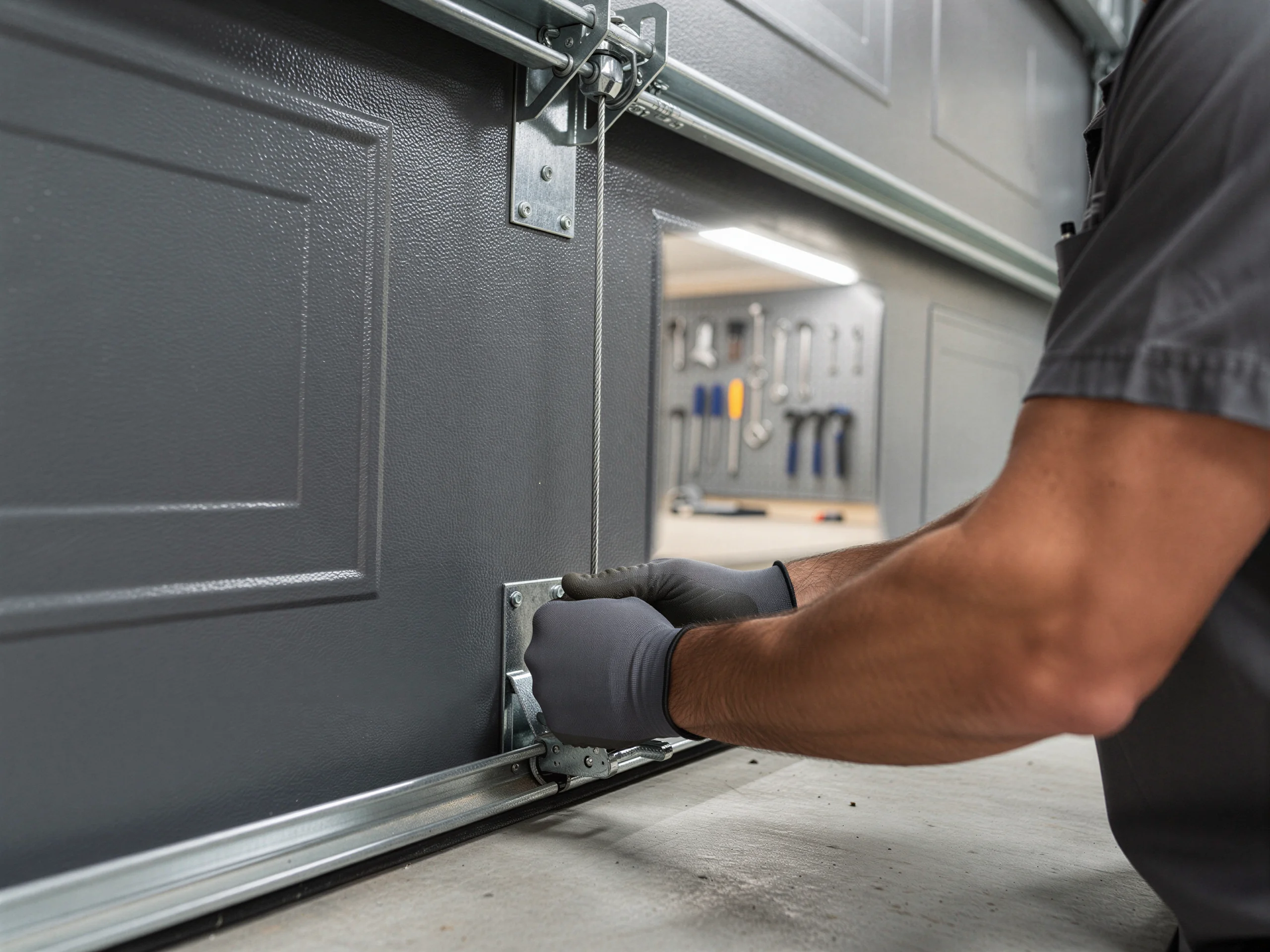
Cable Repair
Cable repair for Hollister homes, most built around 1989, newer than much of the service area. Learn more →
Emergency Garage Door
Broken spring or dead opener in Hollister? Learn more →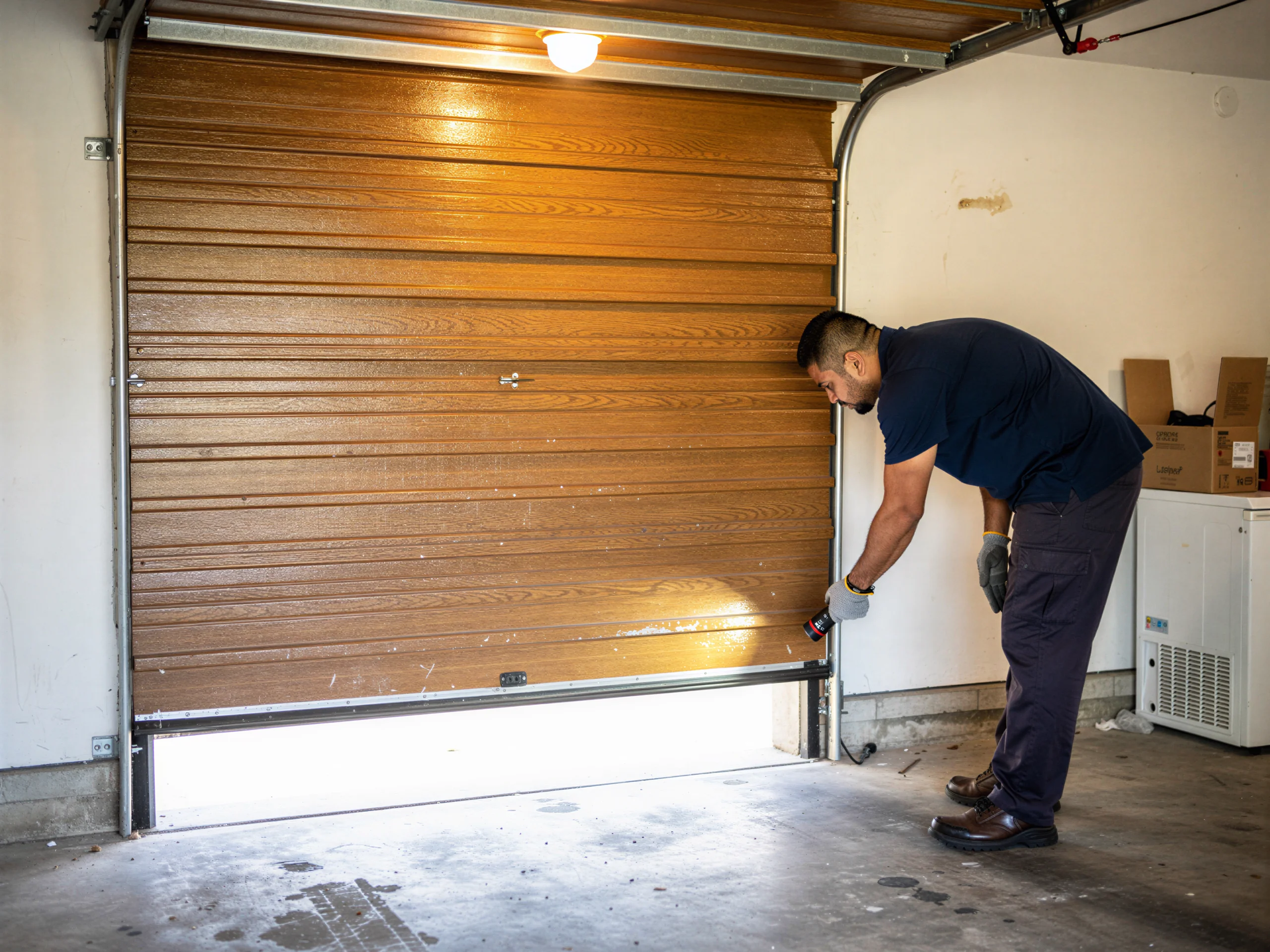
Garage Door Repair
Garage door repair for Hollister homes built mostly through the late 1980s, served from Gilroy, 15 miles out. Learn more →
Maintenance
Hollister homes mostly went up around 1989, later than much of the service area. Learn more →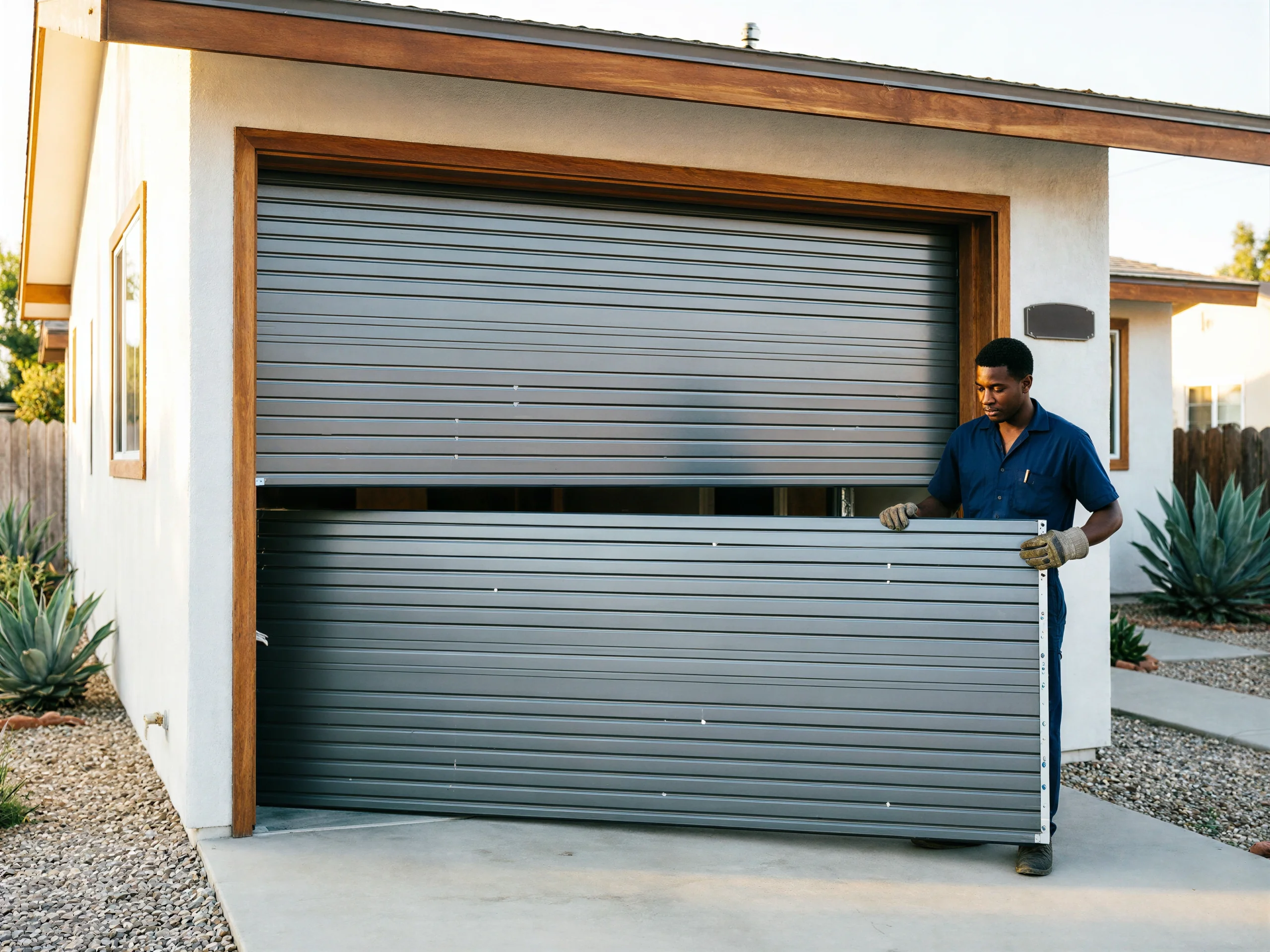
New Door Installation
Garage door installation for Hollister homes built mostly through the late 1980s, with the spring and header sizing issues that come with that era, from Gilroy Garage Door Pros. Learn more →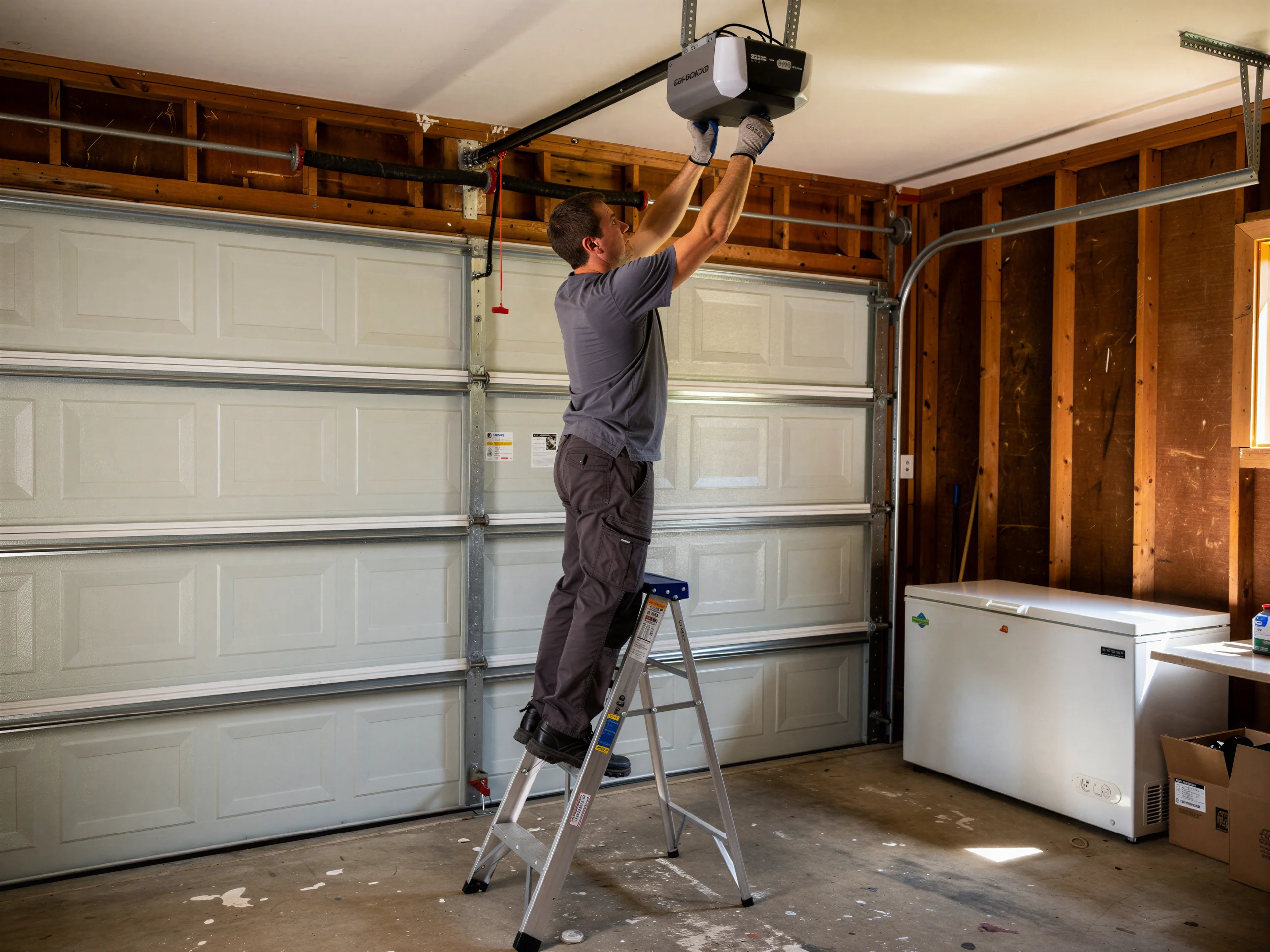
Opener Installation
Opener installs in Hollister, 15 miles from our Gilroy shop. Learn more →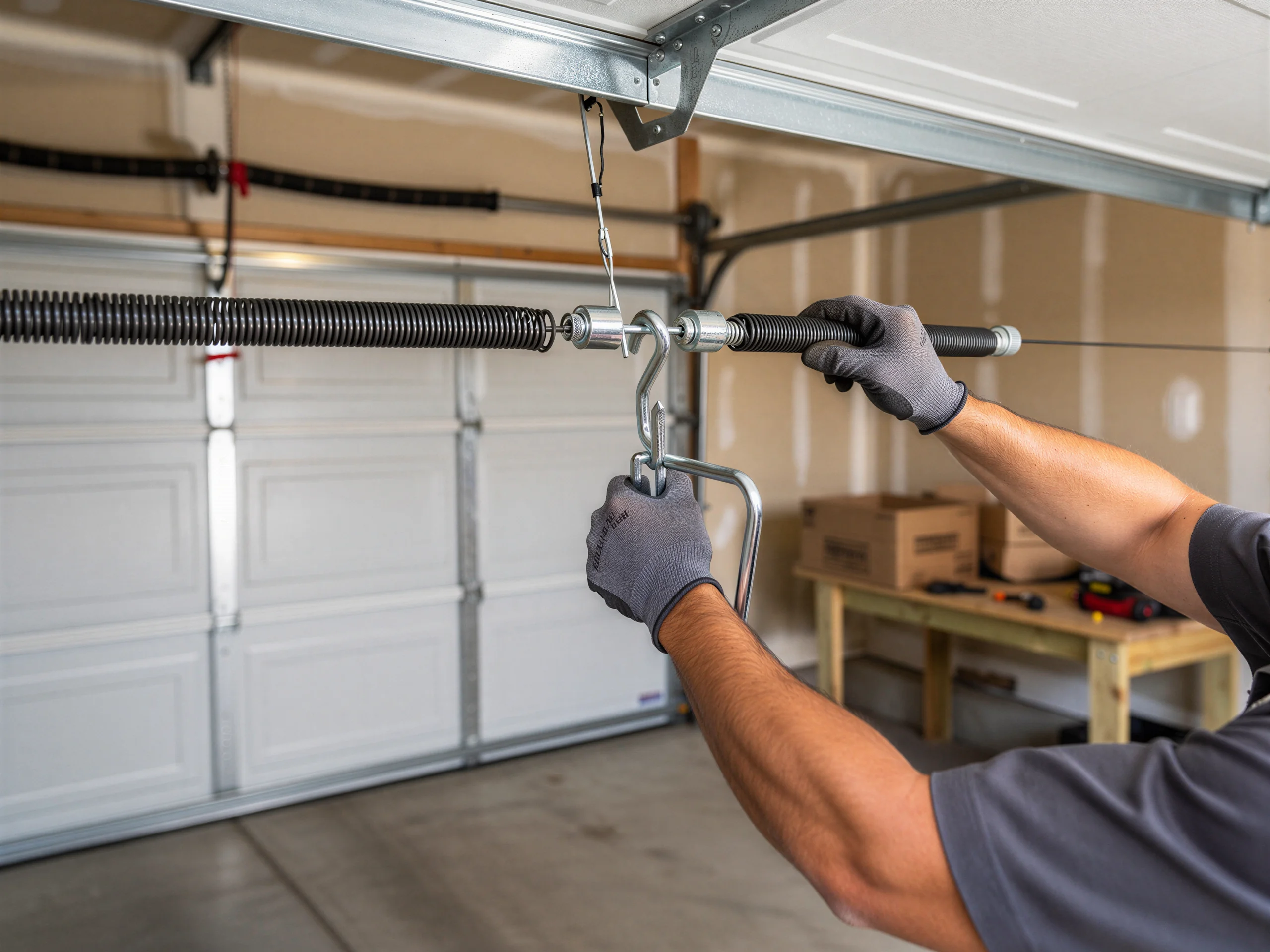
Spring Repair
Hollister's housing stock runs newer than most of the service area, median build 1989, which changes what spring and drum setup you're likely to find. Learn more →Ready when you are
Need a garage door sorted in Gilroy?
Gilroy Garage Door Pros repairs and installs garage doors, springs and openers in Gilroy, CA and the surrounding area.